

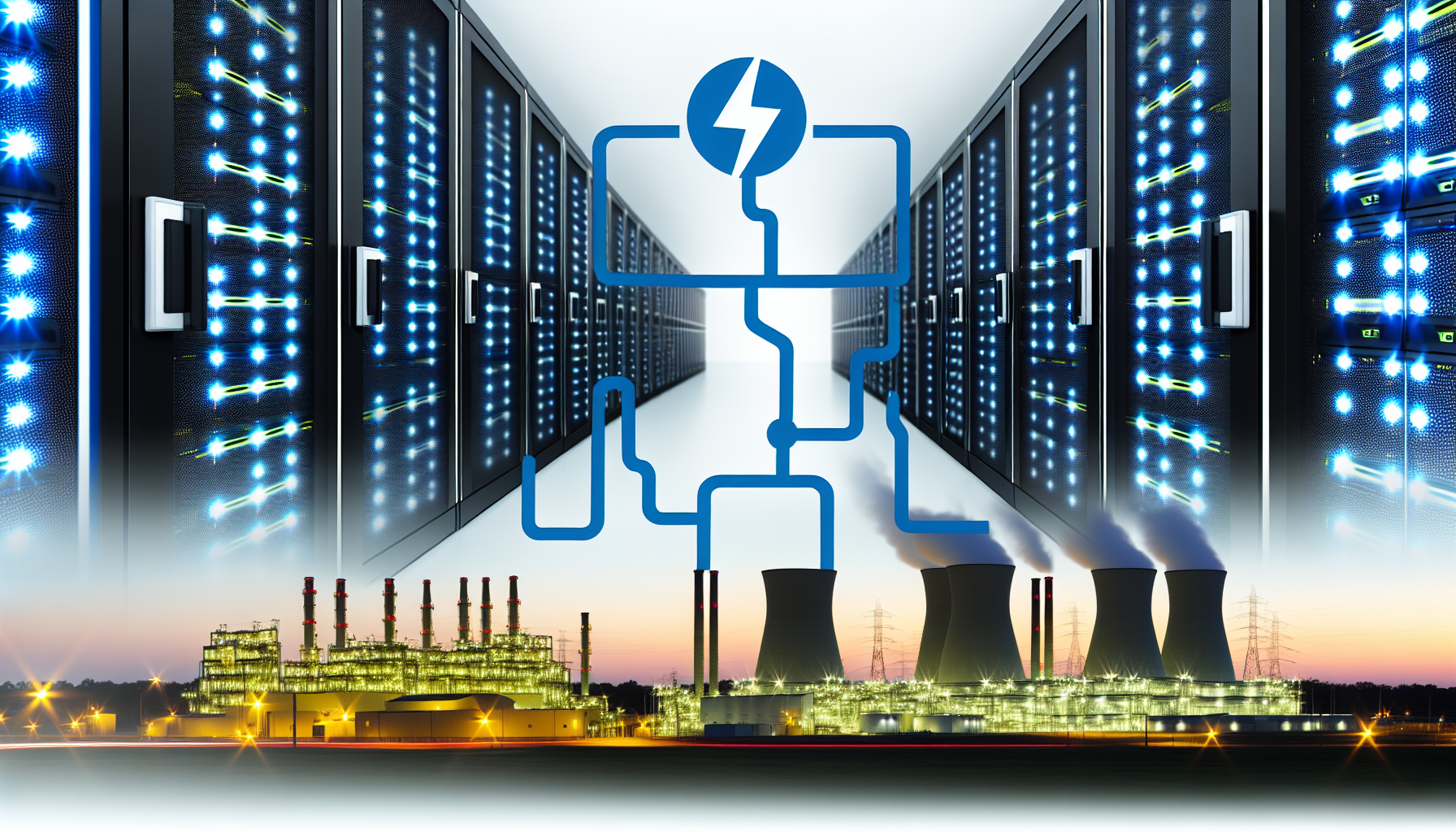
In a significant move to meet the escalating energy demands of artificial intelligence (AI) infrastructure, Meta has announced plans to fund gas plants to power its expansive data center in Louisiana. This initiative reflects a broader trend among technology giants to increasingly rely on fossil fuels to ensure a stable energy supply as they expand their operations.
The Rise of AI and Its Energy Demands
The rapid advancement of AI technologies has created unprecedented demands on data centers, which require vast amounts of energy to operate effectively. AI applications, from machine learning algorithms to complex data analytics, necessitate powerful computing capabilities that consume significant energy resources. As a result, tech companies are facing the challenge of finding reliable sources of power to support their growing infrastructure.
Meta’s Data Center in Louisiana
Meta’s data center in Louisiana, one of the largest of its kind, is designed to support the company’s expanding AI initiatives. The choice of location is strategic, as Louisiana offers both the geographic and infrastructural benefits necessary for such a massive operation. However, the surge in energy requirements posed a challenge, prompting Meta to explore alternative energy sources.
Investing in Gas Plants
To address these challenges, Meta has decided to invest in gas plants, a decision that underscores the ongoing reliance on fossil fuels in the tech industry. These gas plants will help provide the necessary power to ensure that the data center operates efficiently.
- Reliability: Gas plants are considered a reliable source of energy, capable of providing continuous power to data centers that operate around the clock.
- Scalability: As Meta continues to expand its AI capabilities, the scalability of gas plants makes them a favorable option for meeting future energy demands.
- Cost-effectiveness: Gas plants can be more cost-effective compared to other renewable energy sources in the short term, making them an attractive option for companies looking to manage operational costs.
Broader Trends in Energy Consumption
This move by Meta is not an isolated incident; it reflects a broader trend in the technology sector where companies are increasingly turning to fossil fuels to meet their energy needs. As highlighted in a recent Bloomberg report, the competitive landscape of AI development has turned into a battleground not only for technological supremacy but also for energy resources.
Other tech giants are also following suit, investing in traditional energy sources as they ramp up their operations. This shift is raising concerns among environmental advocates who argue that such investments hinder progress towards sustainability and renewable energy adoption.
The Environmental Implications
The reliance on gas plants for data center operations poses significant environmental concerns. While natural gas is often touted as a cleaner alternative to coal and oil, it still contributes to greenhouse gas emissions that drive climate change. Critics argue that investing in fossil fuel infrastructure may hinder the transition to cleaner energy sources that are critical for combating climate change.
In response to these concerns, some companies are exploring hybrid models that integrate renewable energy sources alongside traditional fossil fuels. For instance, solar and wind energy can complement gas plants, providing a more balanced and sustainable energy mix for data centers.
Future of Energy in the Tech Sector
As AI technologies continue to evolve, so too will the energy landscape that supports them. It is essential for companies like Meta to consider not only their immediate energy needs but also the long-term implications of their energy choices.
- Investing in Renewable Energy: As the technology sector faces increasing pressure to adopt sustainable practices, there is a growing need for investments in renewable energy infrastructure.
- Innovative Solutions: Companies can explore innovative energy solutions, such as energy storage technologies and demand response systems, to optimize energy use.
- Collaboration with Regulators: Engaging with policymakers and regulators can help ensure that energy strategies align with broader sustainability goals.
Conclusion
Meta’s investment in gas plants to power its Louisiana data center illustrates the complex relationship between technology, energy consumption, and environmental responsibility. As the demand for AI infrastructure continues to grow, companies must navigate the challenges of providing reliable power while also addressing the urgent need for sustainable energy practices. The choices made today will have lasting implications for the tech industry and the environment, underscoring the importance of a balanced approach to energy solutions in the era of AI.


