

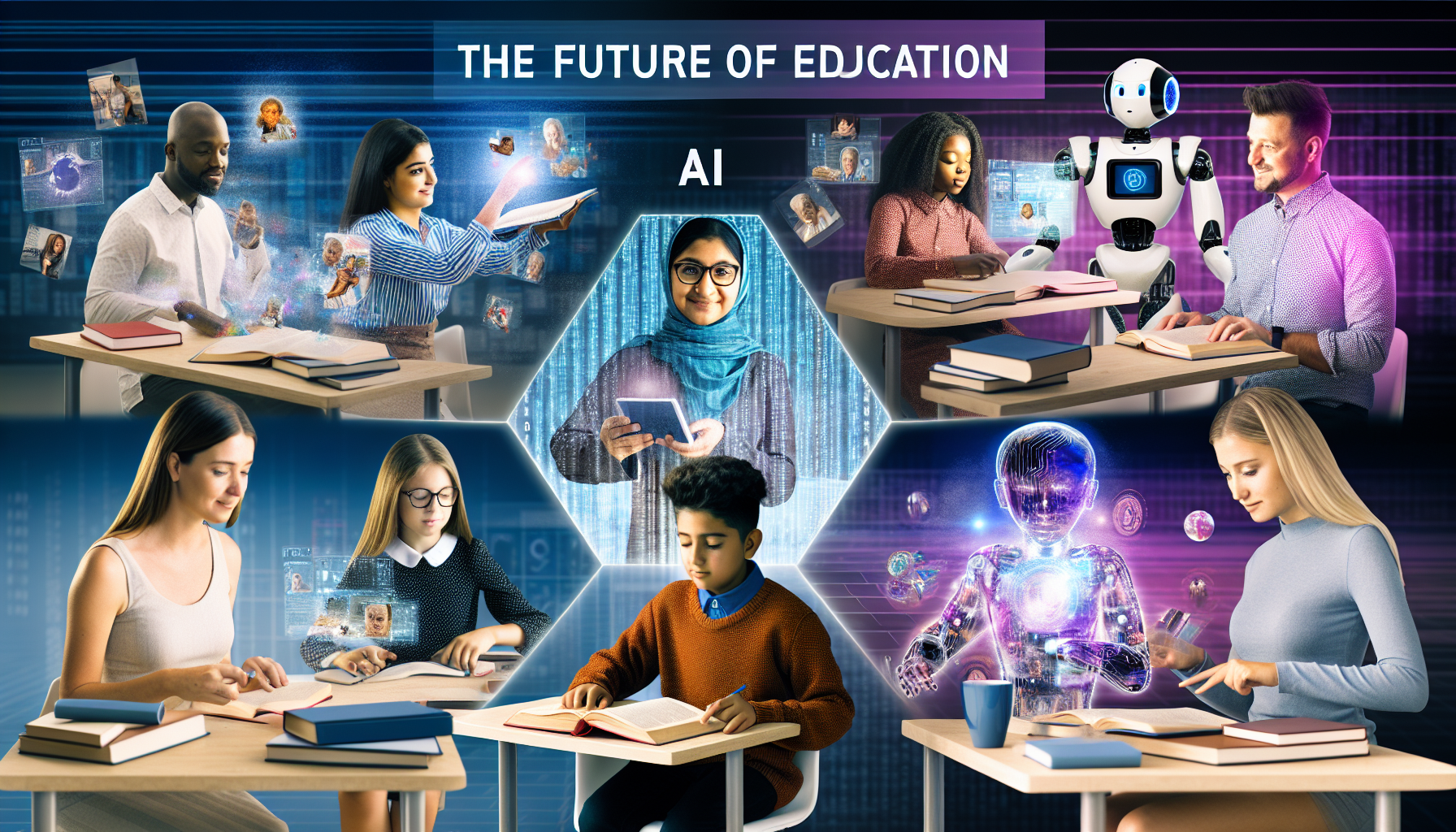
As technology continues to evolve, the integration of artificial intelligence (AI) in education is making waves, reshaping classrooms and learning experiences in unprecedented ways. By 2050, AI is expected to fundamentally transform schools, offering personalized learning experiences, improving teaching methods, and enhancing overall classroom efficiencies. However, this rapid transformation does not come without concerns, particularly regarding its impact on students and academic integrity.
The Promise of Personalized Learning
One of the most significant advantages of AI in education is its ability to deliver personalized learning experiences tailored to the individual needs of students. AI algorithms can analyze a student’s learning patterns and preferences, enabling educators to customize curricula according to each learner’s pace and style. This individualized approach not only fosters a deeper understanding of subject matter but also keeps students engaged and motivated.
Enhancing Teaching Methods
AI is also revolutionizing the way teachers approach their instruction. By providing real-time data on student engagement and performance, AI tools assist educators in identifying areas where students may be struggling. For instance, teachers can track attendance more efficiently, monitor participation levels, and access insights into student engagement trends. This data equips educators with the knowledge they need to adapt their teaching strategies, ensuring that all students receive the support they need to succeed.
Implementation in K-12 Education
Recognizing the importance of preparing educators for this technological shift, the National Science Foundation (NSF) has allocated $11 million to enhance AI training for K-12 teachers across the nation. This initiative aims to equip educators with the skills necessary to integrate AI tools into their classrooms effectively. The funding is part of a broader effort to ensure that teachers can navigate the complexities of AI and leverage its capabilities to improve student outcomes.
Addressing Concerns Over Academic Integrity
Despite the numerous benefits of AI in education, there are significant concerns regarding academic integrity and the potential downsides for students. The rise of generative AI tools, which can assist students in completing assignments and projects, has sparked a debate about the validity of assessments in an AI-rich environment. If students can rely on AI to produce work for them, educators must rethink traditional methods of evaluation and consider how to assess a student’s understanding in a landscape where AI is prevalent.
Shifting Assessment Paradigms
As high school students increasingly turn to generative AI for assistance with their schoolwork, discussions around assessments are becoming more critical. Educators are challenged to devise innovative methods for evaluating student knowledge that account for the presence of AI. This might include:
- Incorporating project-based assessments that require critical thinking and creativity.
- Utilizing oral examinations or presentations to gauge a student’s understanding.
- Creating collaborative projects where students must work together to solve complex problems.
These approaches can help ensure that assessments remain meaningful and reflective of a student’s true capabilities, even in an AI-enhanced educational landscape.
Preparing for the Future
The integration of AI in education is not just a trend; it represents a fundamental shift in how education is delivered and experienced. As schools and educators prepare for the future, it is crucial to embrace the potential of AI while remaining mindful of its challenges. Training programs for teachers, like the NSF’s initiative, will be essential in ensuring that educators are equipped to handle the complexities of AI in their classrooms.
Conclusion
In conclusion, the future of education is poised for a significant transformation through the integration of artificial intelligence. By harnessing the power of AI, educators can create personalized learning experiences, enhance teaching methods, and improve classroom efficiencies. However, it is imperative to address the concerns surrounding academic integrity and reassess traditional evaluation methods. As we move forward, a collaborative effort among educators, policymakers, and technology developers will be critical in shaping an educational landscape that benefits all students.


