

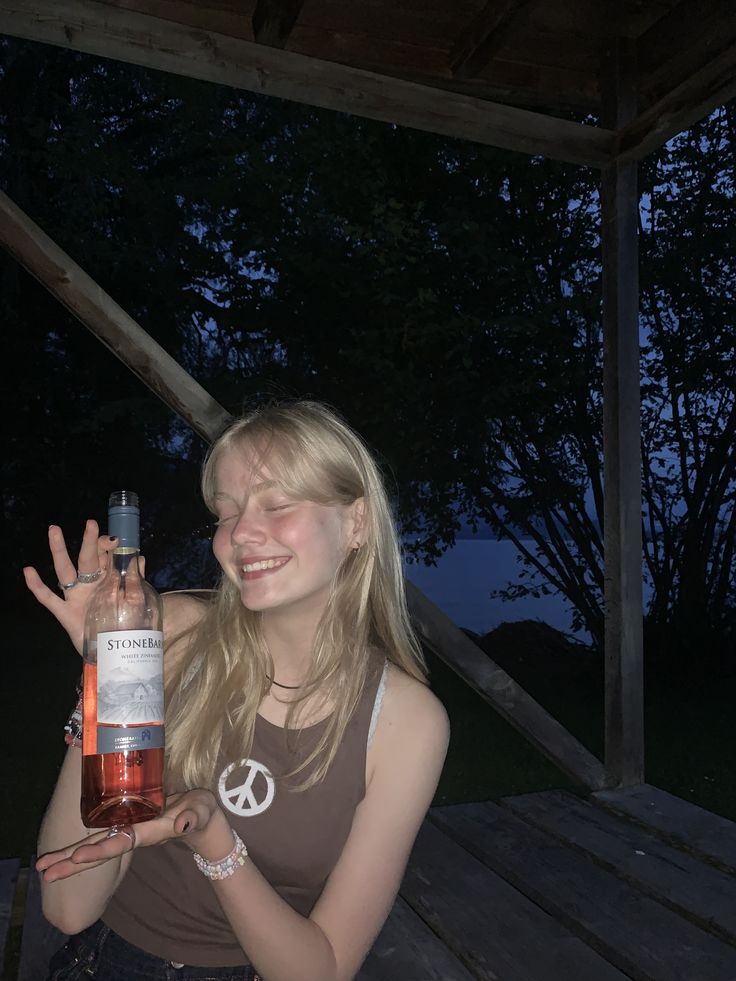
In recent years, the issue of underage drinking has become increasingly prevalent, with alarming incidents involving children as young as thirteen. The case of a thirteen-year-old caught drinking not only highlights the severity of this problem but also raises questions about societal influences, parental responsibility, and the effectiveness of current prevention measures.
Underage drinking poses significant risks to adolescent health and development. At thirteen, the brain is still undergoing crucial developmental changes, making it particularly vulnerable to the harmful effects of alcohol. Consumption at this age can lead to impaired cognitive function, stunted brain development, and an increased likelihood of developing alcohol dependency later in life.
The reasons behind such early alcohol use are complex and multifaceted. Peer pressure often plays a significant role, as teenagers may feel compelled to drink to fit in or appear “cool” among their friends. Additionally, easy access to alcohol, whether from home or through older acquaintances, contributes to the problem. Media portrayals of drinking as a normal or even glamorous activity can also influence impressionable young minds.
Parents and guardians play a crucial role in preventing underage drinking. Open communication about the dangers of alcohol, setting clear rules and expectations, and modeling responsible behavior are essential. However, it’s also important to recognize that parental influence alone may not be sufficient, especially when external factors come into play.
Schools and communities must also take an active role in addressing this issue. Comprehensive alcohol education programs, starting from an early age, can help children understand the risks associated with drinking. Creating safe, engaging environments and activities for teenagers can provide alternatives to alcohol-centered social gatherings.
When a thirteen-year-old is caught drinking, the response should be focused on education and support rather than purely punitive measures. Involving counselors, healthcare professionals, and support groups can help address underlying issues and prevent future incidents. It’s crucial to approach the situation with empathy while still emphasizing the seriousness of the behavior.
Legal consequences for providing alcohol to minors should be strictly enforced to deter adults from enabling underage drinking. However, it’s equally important to create an environment where young people feel comfortable seeking help without fear of severe punishment.
Ultimately, addressing the issue of thirteen-year-olds drinking requires a collaborative effort from families, schools, communities, and policymakers. By working together to provide education, support, and positive alternatives, we can hope to reduce the incidence of underage drinking and protect the health and future of our youth.


