

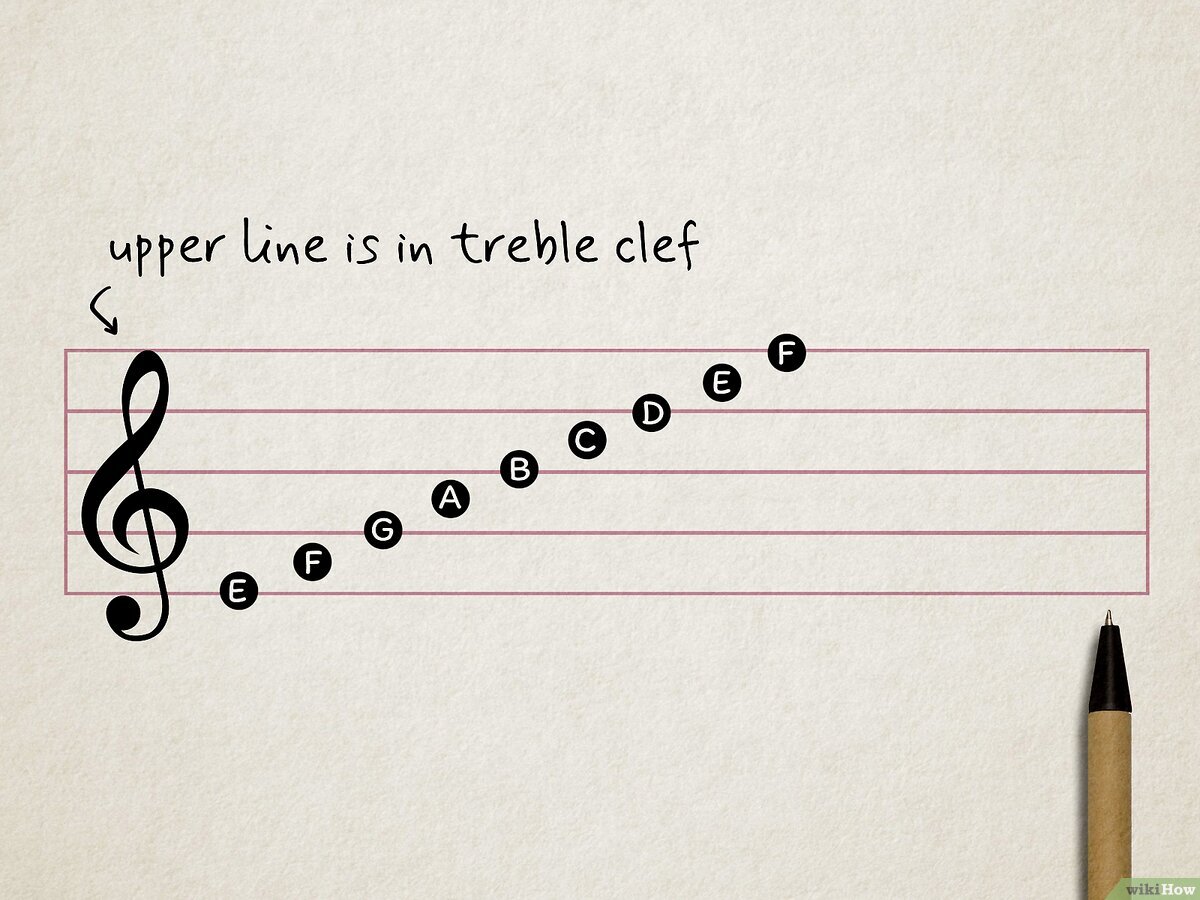
Sight reading is a crucial skill in music, involving the ability to accurately perform a piece of music at first sight, without prior practice or familiarity. This skill is valuable for musicians across all genres and instruments, from pianists and guitarists to vocalists and orchestral players.
Key Components of Sight Reading:
- Note Recognition: Quickly identifying notes on the staff.
- Rhythm Interpretation: Understanding and executing rhythmic patterns.
- Key Signature Awareness: Recognizing and applying the appropriate sharps or flats.
- Time Signature Comprehension: Understanding the meter and beat structure.
- Dynamic and Expression Marks: Interpreting and applying performance instructions.
Benefits of Sight Reading:
- Enhances overall musicianship
- Improves music theory understanding
- Increases repertoire familiarity
- Boosts confidence in performance situations
- Essential for professional musicians, especially in studio or pit orchestra settings
Developing Sight Reading Skills:
- Regular Practice: Consistent exposure to new music is key.
- Start Simple: Begin with easier pieces and gradually increase difficulty.
- Focus on Rhythm: Prioritize maintaining a steady tempo over perfect note accuracy.
- Look Ahead: Train your eyes to read measures ahead while playing.
- Analyze Before Playing: Quickly scan for key signature, time signature, and challenging sections.
- Use Metronome: Practice with a metronome to maintain steady tempo.
- Don’t Stop: Aim to play through mistakes without pausing.
Challenges in Sight Reading:
- Unfamiliar key signatures or time signatures
- Complex rhythms or syncopations
- Rapid tempo changes
- Dense harmonic structures
- Unconventional notation in contemporary music
Sight reading is not just about playing notes; it’s about instantly interpreting and expressing the music as intended by the composer. With consistent practice and the right approach, this skill can significantly enhance a musician’s versatility and proficiency.


