

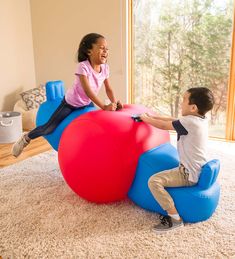
A seesaw, also known as a teeter-totter in some regions, is a classic playground equipment that has been entertaining children for generations. This simple yet engaging device consists of a long board balanced in the middle on a fulcrum, allowing two people to sit on either end and alternately rise and fall.
The basic mechanics of a seesaw demonstrate the principle of the lever, making it not just a source of fun but also an educational tool. As children play, they intuitively learn about balance, weight distribution, and cooperation.
Key aspects of seesaws include:
- Design: Typically made of wood or metal, with seats or handles at each end for safety.
- Function: Riders use their body weight and leg strength to push off the ground, lifting the other side.
- Social Interaction: Seesaws require two people to work, encouraging cooperation and social play.
- Physical Benefits: Helps develop balance, coordination, and leg strength.
- Cognitive Benefits: Teaches concepts of cause and effect, weight, and basic physics.
- Safety Considerations: Modern designs often include shock absorbers or spring mechanisms to prevent abrupt landings.
While traditional seesaws have become less common in public playgrounds due to safety concerns, modified versions continue to be popular. These newer designs often feature spring-loaded seats or four-person configurations to reduce the risk of injury.
Seesaws have also inspired metaphors in language and culture, often used to describe situations of balance or reciprocal action. The phrase “seesawing back and forth” is commonly used to describe fluctuating or indecisive situations.
Despite changes in playground design trends, the seesaw remains an iconic symbol of childhood play, embodying the simple joys of outdoor recreation and the fundamental principles of physics in action.


