

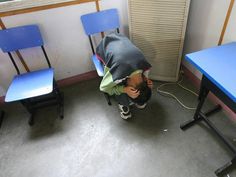
Child abuse in any form is a serious issue that demands immediate attention and action. When it involves a teacher abusing a gifted child, the situation becomes even more complex due to the power dynamics and the child’s unique needs. Gifted children often face challenges in educational settings, including boredom, misunderstanding, and sometimes, unfortunately, mistreatment.
Teachers who abuse gifted children may do so out of frustration, lack of understanding, or their own insecurities. This abuse can take various forms, including emotional manipulation, verbal harassment, or even physical violence. The consequences for the gifted child can be severe, leading to long-lasting psychological trauma, diminished self-esteem, and a loss of interest in learning.
It’s crucial for parents, school administrators, and other educators to be vigilant and recognize the signs of abuse. These may include sudden changes in the child’s behavior, reluctance to attend school, or a decline in academic performance. Gifted children may also struggle to articulate their experiences due to their advanced cognitive abilities conflicting with their emotional maturity.
Preventing such abuse requires a multi-faceted approach. This includes proper training for teachers on how to work with gifted students, implementing robust reporting systems, and fostering an environment where children feel safe to speak up. Additionally, providing adequate support and resources for teachers working with gifted students can help alleviate potential frustrations.
If abuse is suspected or confirmed, it’s imperative to take immediate action. This involves reporting the incident to school authorities, involving child protective services if necessary, and ensuring the child receives appropriate counseling and support. The teacher in question should be removed from their position pending a thorough investigation.
Ultimately, protecting gifted children from abuse requires a collective effort from educators, parents, and the community. By prioritizing the well-being of these unique learners, we can create safe and nurturing environments where their talents can flourish without fear of mistreatment.


