

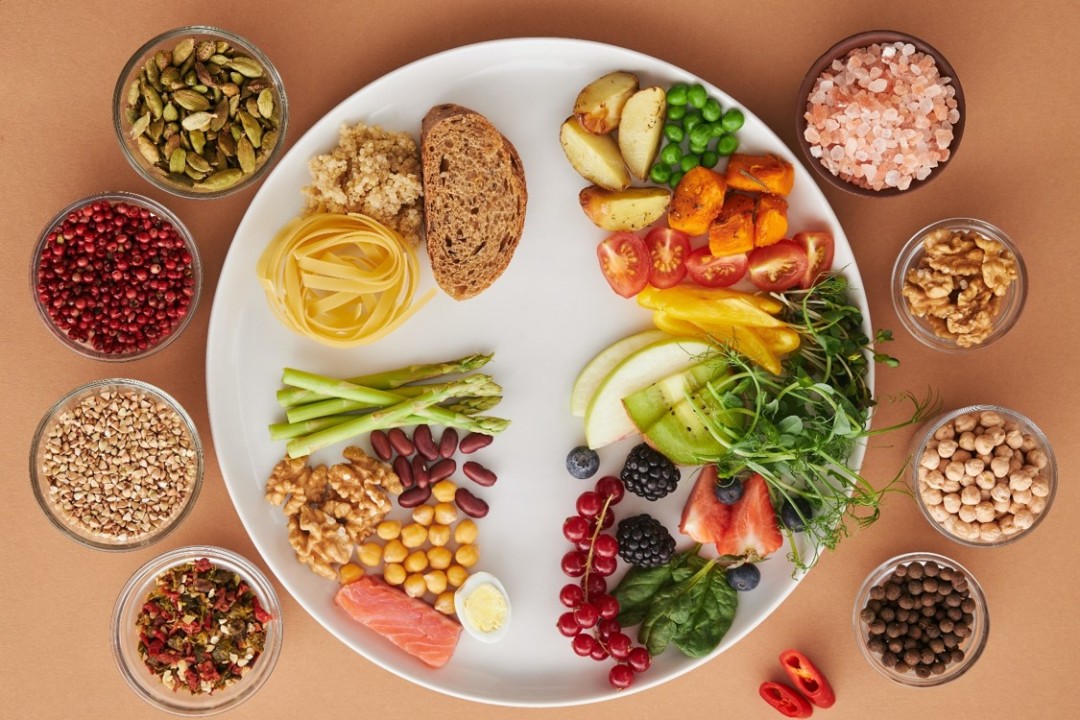
Understanding food groups is fundamental to maintaining a balanced and nutritious diet. The concept of food groups helps us categorize foods based on their nutritional content, making it easier to ensure we’re getting a variety of essential nutrients. Let’s explore the main food groups and their importance in our daily diet.
- Fruits
Fruits are packed with vitamins, minerals, and fiber. They’re excellent sources of antioxidants, which help protect our bodies from harmful free radicals. Examples include apples, bananas, berries, citrus fruits, and melons. The USDA recommends 1-2 cups of fruit daily for most adults. - Vegetables
Vegetables are low in calories but high in vitamins, minerals, and fiber. They’re crucial for maintaining good health and reducing the risk of chronic diseases. This group includes leafy greens, root vegetables, and cruciferous vegetables like broccoli and cauliflower. Adults should aim for 2-3 cups of vegetables daily. - Grains
Grains are divided into whole grains and refined grains. Whole grains (like brown rice, whole wheat, and oats) provide more nutrients and fiber than refined grains. They’re important sources of B vitamins, minerals, and fiber. The recommendation is to make at least half of your grain intake whole grains. - Protein
This group includes meat, poultry, fish, eggs, nuts, seeds, and legumes. Proteins are essential for building and repairing tissues, making enzymes, and supporting immune function. Plant-based proteins like beans and lentils also provide fiber and other nutrients. - Dairy
Dairy products are primary sources of calcium, which is crucial for bone health. This group includes milk, yogurt, cheese, and fortified soy alternatives. They also provide protein, vitamins A and D, and other minerals. Adults should aim for about 3 cups of dairy daily. - Oils
While not a food group, oils are an important part of a healthy diet. They provide essential fatty acids and vitamin E. Sources include vegetable oils, nuts, seeds, and fish. It’s important to choose healthy oils like olive oil and to consume them in moderation.
Balancing these food groups in your diet is key to good nutrition:
- Variety: Eating a variety of foods from each group ensures you get a wide range of nutrients.
- Portion Control: Understanding serving sizes helps maintain a healthy calorie intake.
- Color: Aim for a colorful plate, especially with fruits and vegetables, to get a diverse array of nutrients.
- Whole Foods: Choose whole, minimally processed foods over heavily processed alternatives.
- Personalization: Individual needs may vary based on age, gender, activity level, and health conditions.
Understanding food groups also helps in meal planning and grocery shopping. It allows for creative combinations while ensuring nutritional needs are met. For instance, a balanced meal might include a lean protein source, whole grains, a variety of colorful vegetables, and a serving of dairy.
It’s important to note that while these are general guidelines, nutritional needs can vary. Some people may have dietary restrictions or preferences (like vegetarian or vegan diets) that require careful planning to ensure all nutritional needs are met.
Educating children about food groups can set the foundation for lifelong healthy eating habits. Interactive methods like creating colorful food charts or playing food group games can make learning about nutrition fun and engaging.
In conclusion, understanding and incorporating a balance of all food groups into your diet is a key step towards achieving optimal health and nutrition. It’s not about perfection, but about making informed choices that contribute to overall well-being.


