

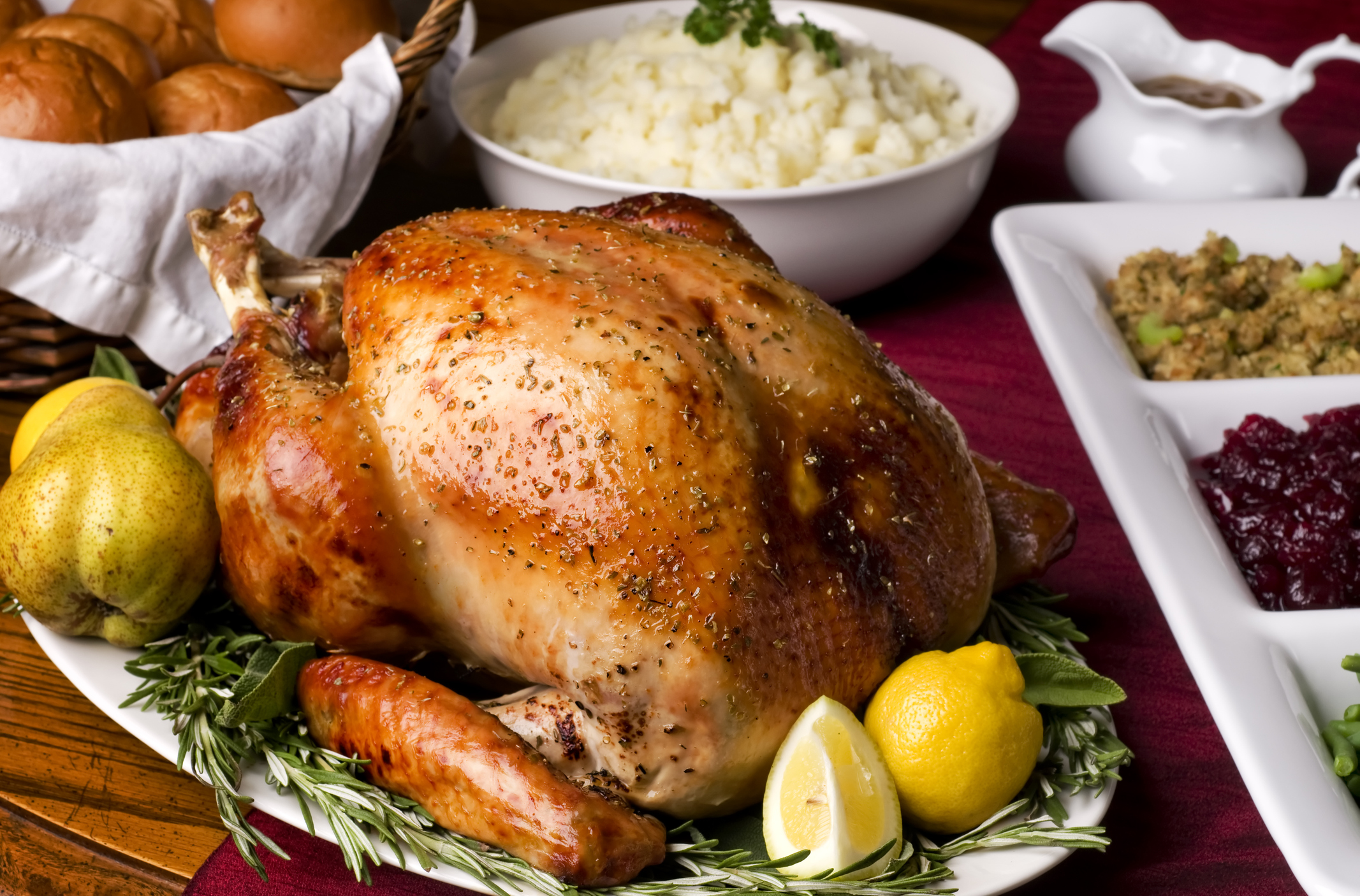
Thanksgiving is a time for family gatherings and traditional meals, with turkey often taking center stage. For pregnant women, questions about food safety are common, especially during festive seasons. The good news is that, in general, turkey can be a safe and nutritious part of a Thanksgiving meal for expectant mothers, provided certain precautions are taken.
Safety Considerations:
- Proper Cooking: The most crucial factor is ensuring the turkey is cooked thoroughly. The internal temperature should reach at least 165°F (74°C) in the thickest part of the thigh and breast. This temperature kills harmful bacteria like Salmonella and Listeria, which can be particularly dangerous during pregnancy.
- Avoid Undercooked Portions: Stay away from any pink or undercooked parts of the turkey, including stuffing cooked inside the bird.
- Safe Handling: Proper food handling is essential. Wash hands, utensils, and surfaces that come into contact with raw turkey to prevent cross-contamination.
- Leftovers: Refrigerate leftovers promptly (within 2 hours of cooking) and consume within 3-4 days. Reheat leftovers to 165°F before eating.
Nutritional Benefits:
Turkey can be an excellent source of nutrients for pregnant women:
- Protein: Essential for fetal growth and development
- Iron: Helps prevent anemia, common during pregnancy
- Zinc: Supports immune function and healthy cell division
- B vitamins: Important for energy metabolism and fetal development
Portion Control:
While turkey is generally safe, pregnant women should be mindful of portion sizes, especially if the turkey is high in sodium. Excessive sodium intake can lead to water retention and increased blood pressure.
Alternatives and Accommodations:
If you’re still concerned, consider these options:
- Request a well-done portion
- Opt for white meat, which tends to cook more thoroughly
- Consider alternatives like roasted chicken or vegetarian options
Additional Thanksgiving Food Considerations:
- Avoid unpasteurized dairy products in side dishes
- Be cautious with homemade eggnog or desserts containing raw eggs
- Limit intake of high-mercury fish if served
- Be mindful of caffeine content in desserts
Consulting Healthcare Providers:
If you have specific concerns or health conditions, it’s always best to consult with your healthcare provider for personalized advice.
In conclusion, pregnant women can generally enjoy Thanksgiving turkey safely, provided it’s properly cooked and handled. By following food safety guidelines and being aware of your individual health needs, you can partake in the traditional Thanksgiving meal while ensuring the well-being of both you and your developing baby. Remember, moderation and proper food safety practices are key to a healthy and enjoyable holiday season during pregnancy.


