

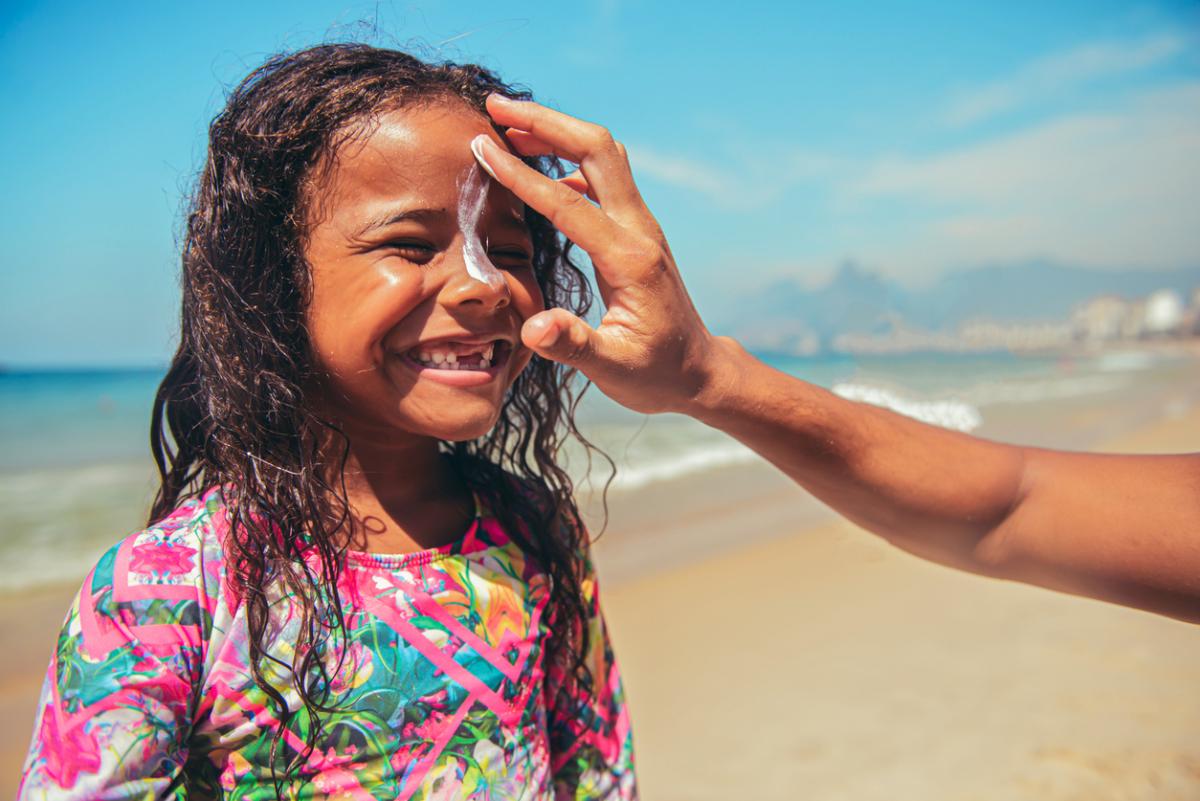
Protecting children’s delicate skin from harmful UV rays is crucial, and choosing the right sunscreen is an essential part of this process. When it comes to selecting the safest sunscreens for kids, there are several factors to consider, including ingredients, SPF rating, and application method.
First and foremost, look for mineral-based sunscreens that use zinc oxide or titanium dioxide as their active ingredients. These physical blockers sit on top of the skin and reflect UV rays, rather than being absorbed into the body like chemical sunscreens. They’re less likely to cause irritation and are generally considered safer for children, especially those with sensitive skin.
The SPF (Sun Protection Factor) rating is another crucial consideration. The American Academy of Dermatology recommends using a broad-spectrum sunscreen with an SPF of at least 30 for children. Broad-spectrum means it protects against both UVA and UVB rays. However, it’s important to note that higher SPF numbers don’t necessarily mean proportionally better protection – SPF 100 doesn’t provide twice the protection of SPF 50.
Water resistance is another key feature to look for, especially if your children will be swimming or sweating. Choose sunscreens labeled as water-resistant for 40 or 80 minutes, and reapply as directed.
When it comes to application methods, many parents find that stick or spray sunscreens are easier to apply on squirmy kids. However, be cautious with sprays as they can be inhaled and may not provide even coverage. Creams and lotions, while potentially messier, often provide the most thorough and reliable coverage.
It’s also important to check the ingredient list for potential allergens or irritants. Avoid sunscreens with fragrances, parabens, and oxybenzone, as these can cause skin reactions in some children.
Some of the safest and most highly rated sunscreens for kids include brands like Blue Lizard, Thinkbaby, Badger, and Neutrogena Pure & Free Baby. These brands offer mineral-based formulations with high SPF ratings and minimal additives.
Remember, no sunscreen is truly “waterproof” or “sweatproof,” and all need to be reapplied regularly – typically every two hours or after swimming or sweating. It’s also crucial to apply sunscreen generously; most people don’t use enough to get the full SPF protection.
In addition to sunscreen, protect your children by having them wear sun-protective clothing, hats, and sunglasses. Try to limit sun exposure during peak hours (usually 10 am to 4 pm) and seek shade when possible.
By choosing a safe, effective sunscreen and using it correctly, you can help protect your children’s skin and instill good sun safety habits that will serve them well throughout their lives.


