

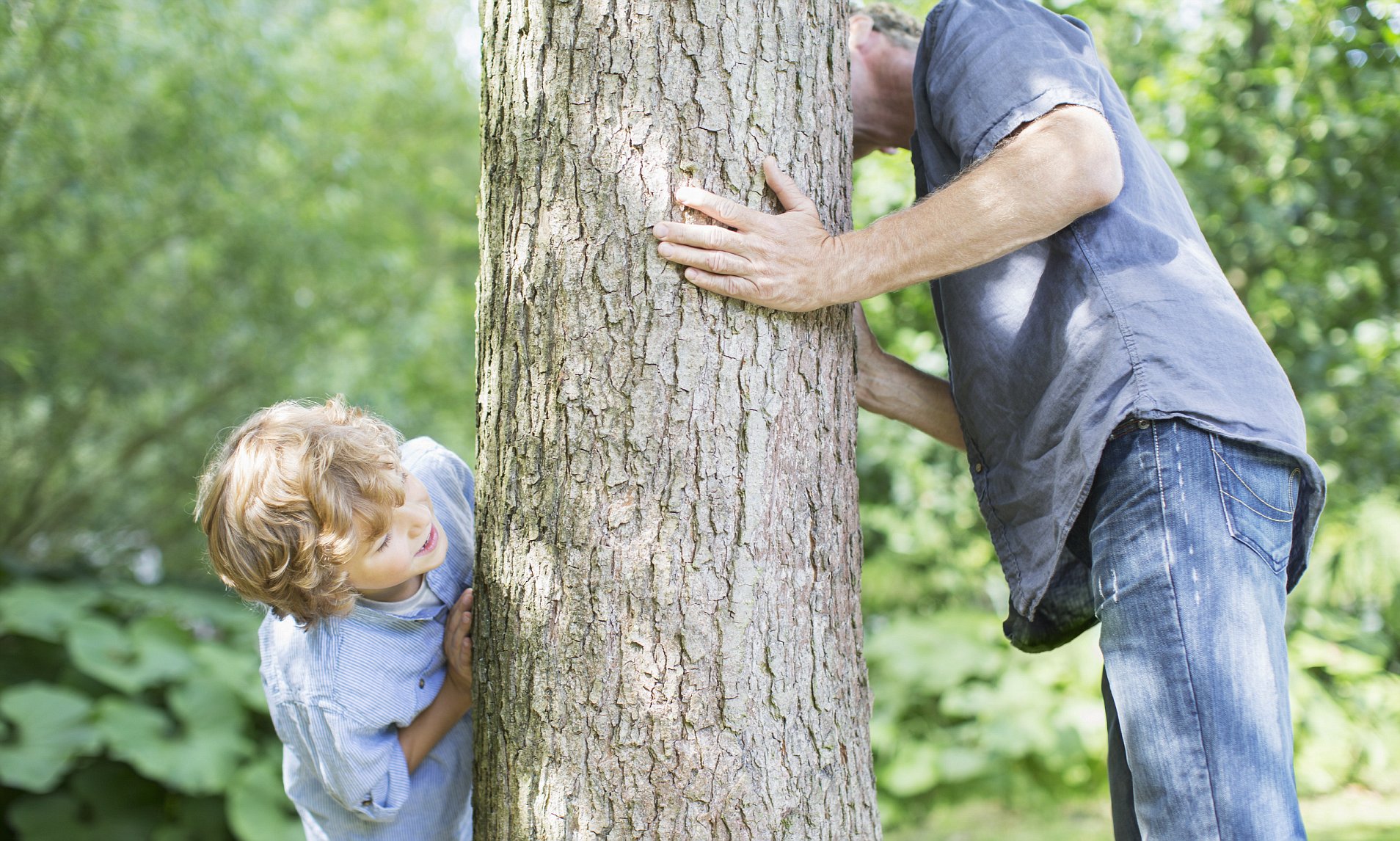
Hide and seek, a game that has transcended cultures and generations, holds a special place in the realm of childhood play. This seemingly simple activity, where one player closes their eyes and counts while others hide, offers far more than mere entertainment. It’s a complex interplay of strategy, patience, and social interaction that contributes significantly to a child’s development.
At its core, hide and seek taps into fundamental human instincts. The thrill of finding a perfect hiding spot echoes our ancestors’ need for concealment from predators, while the excitement of seeking mimics the hunt. This primal connection perhaps explains the game’s universal appeal and enduring popularity.
From a developmental perspective, hide and seek offers a wealth of benefits. For young children, it helps develop object permanence – the understanding that objects continue to exist even when they can’t be seen. As they play, children learn to visualize where others might be hiding, enhancing their spatial awareness and problem-solving skills.
The game also fosters emotional development. Hiding alone can be a test of courage for young children, helping them manage anxiety and build independence. The joy of being found or successfully finding others builds positive emotional experiences associated with social interaction.
Socially, hide and seek is a masterclass in turn-taking, rule-following, and fair play. Children learn to respect boundaries, such as not peeking while counting, and to accept the outcomes of the game graciously. These lessons in sportsmanship are valuable for future social interactions.
Physical benefits abound as well. The game encourages physical activity as children scurry to find hiding spots or search for others. It improves gross motor skills, agility, and spatial awareness as players navigate their environment in new ways.
Cognitively, hide and seek is more complex than it appears. Hiders must think critically about where to conceal themselves, considering factors like visibility, accessibility, and the seeker’s likely search patterns. Seekers, in turn, must use deductive reasoning and memory to locate hidden players efficiently.
The game also adapts beautifully to different environments, from small indoor spaces to vast outdoor areas, each presenting unique challenges and opportunities. This adaptability ensures the game remains fresh and engaging across various settings.
In an age of digital entertainment, hide and seek stands out as a timeless activity that encourages face-to-face interaction and physical play. It offers a respite from screens and promotes the kind of unstructured play that is crucial for healthy child development.
As children grow, the game evolves with them. Older players might introduce more complex rules or expand the playing area, keeping the game challenging and engaging. This evolution ensures that hide and seek remains relevant and enjoyable well into adolescence and even adulthood.
In essence, hide and seek is more than just a game – it’s a multifaceted learning experience disguised as play. Its simplicity belies its profound impact on physical, cognitive, and social development. As long as there are spaces to hide and curious minds to seek, this timeless game will continue to delight and develop generations to come.


