

In an increasingly interconnected world, bilingualism has become a valuable skill. As a parent, I discovered an unconventional yet effective method to introduce my children to Mandarin Chinese: YouTube videos. This journey not only taught my kids a second language but also opened up a world of cultural understanding and digital literacy.
The process began organically when my children stumbled upon Chinese nursery rhymes and cartoons on YouTube. Intrigued by the colorful animations and catchy tunes, they were soon singing along, even if they didn’t understand the words. Recognizing this interest, I decided to cultivate it intentionally.
Key strategies that made this approach successful:
- Consistent exposure: We incorporated Chinese YouTube videos into our daily routine, making it a fun and expected part of their day.
- Diverse content: We explored various types of videos, including educational content, vlogs by Chinese families, and cooking shows, providing a well-rounded language experience.
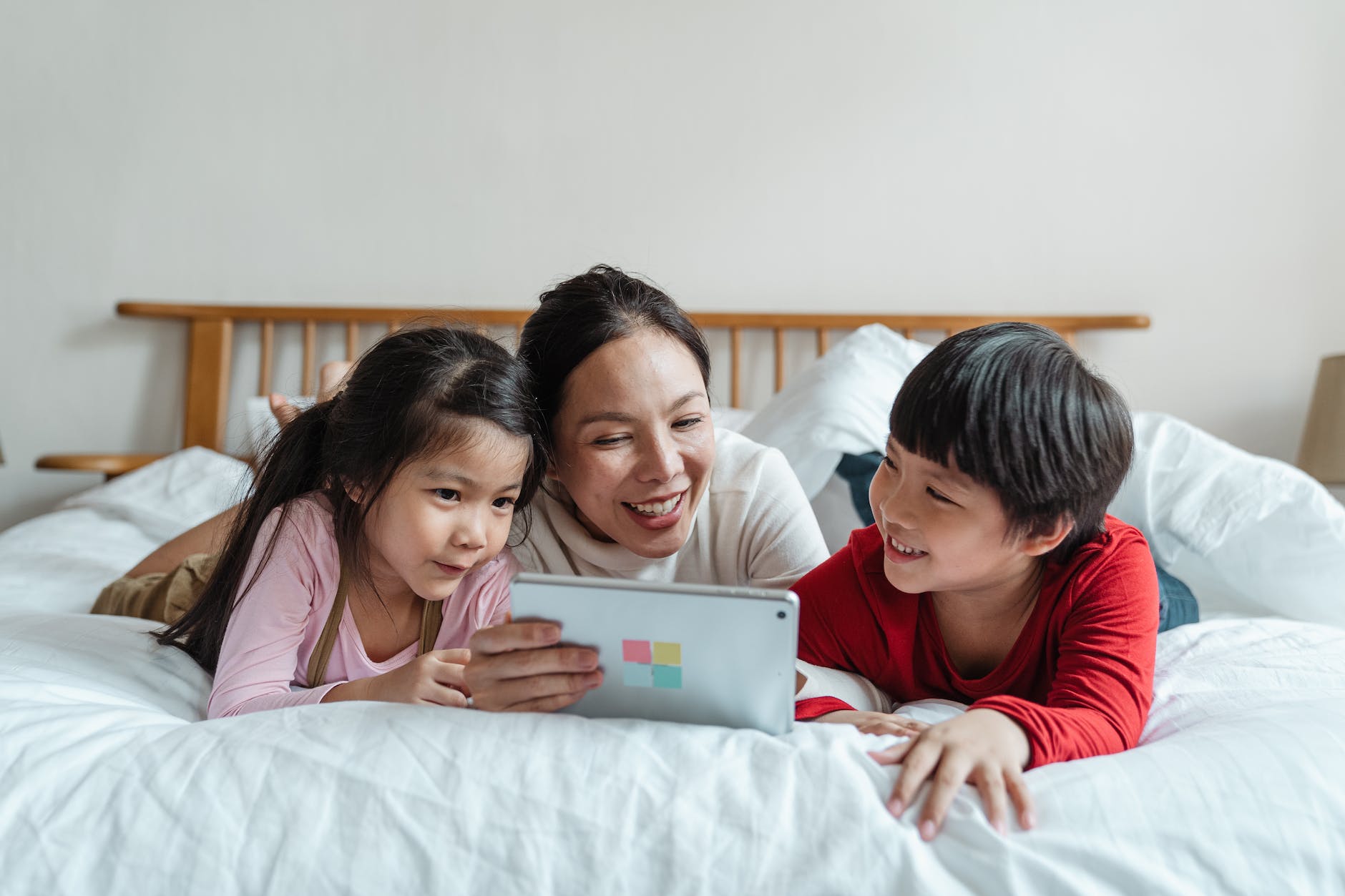
- Interactive viewing: We watched together, pausing to discuss new words, ask questions, and practice pronunciation.
- Supplementary resources: We complemented video watching with Chinese storybooks and language learning apps to reinforce learning.
- Cultural connections: We used the videos as a springboard to discuss Chinese culture, history, and traditions.
The benefits extended beyond language acquisition:
- Cultural awareness: My children developed an appreciation for Chinese culture and customs.
- Digital literacy: They learned to navigate YouTube safely and critically evaluate online content.
- Cognitive development: Exposure to a second language at a young age enhanced their overall cognitive abilities.
- Global perspective: They gained a more inclusive worldview and interest in international affairs.
Challenges we faced included managing screen time and ensuring age-appropriate content. We addressed these by setting clear viewing limits and carefully curating video playlists.
While not a replacement for formal language education, this method provided an engaging introduction to Mandarin Chinese. It laid a strong foundation for further language study and fostered a genuine interest in Chinese culture.
This experience demonstrates the potential of leveraging digital platforms for language learning, especially for young children. By thoughtfully integrating online resources into our daily lives, we can open up new avenues for education and cultural exchange, preparing our children for an increasingly global future.


