

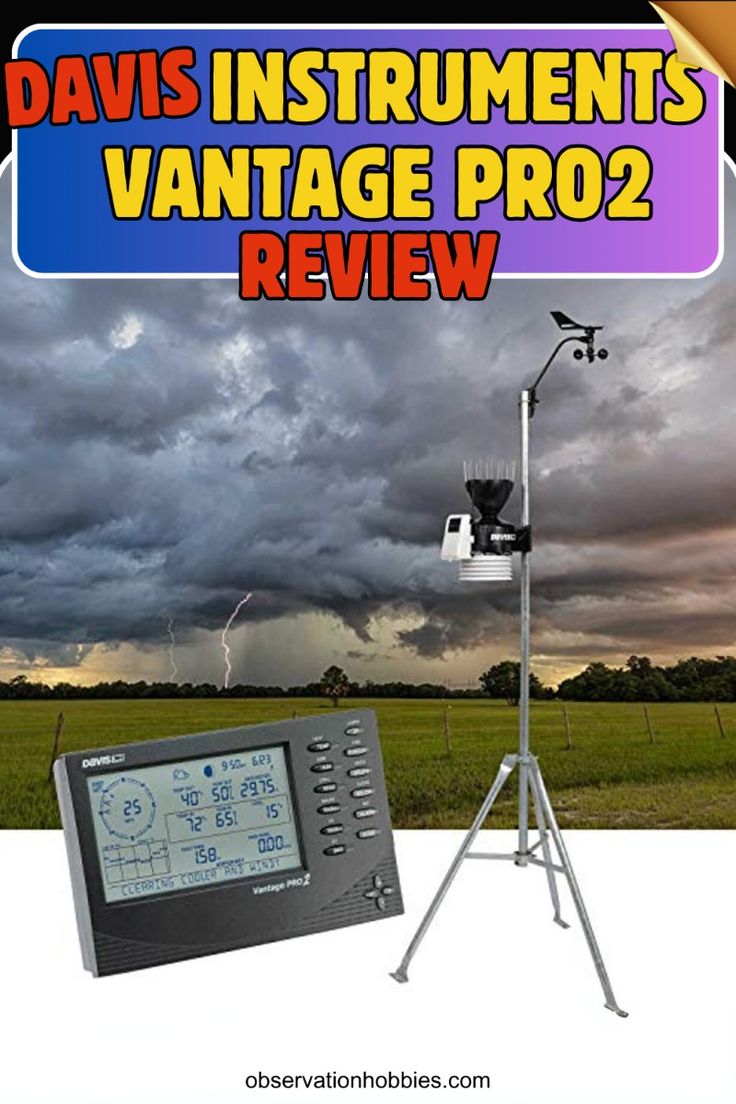
Backyard weather stations have gained popularity among weather enthusiasts, gardeners, and homeowners interested in monitoring local climate conditions. These personal meteorological setups allow individuals to collect and analyze weather data specific to their immediate surroundings.
A typical backyard weather station consists of various sensors that measure temperature, humidity, barometric pressure, wind speed and direction, and rainfall. More advanced setups might include sensors for UV radiation, soil moisture, and even air quality. These components are usually connected to a central console or directly to a computer or smartphone for data collection and analysis.
The appeal of backyard weather stations lies in their ability to provide hyperlocal weather information. While regional forecasts offer general predictions, local conditions can vary significantly due to factors like elevation, nearby bodies of water, or urban heat islands. Personal weather stations bridge this gap, offering precise data for a specific location.
For gardeners and farmers, these stations are invaluable tools for making informed decisions about planting, watering, and protecting crops. Weather enthusiasts find joy in comparing their data with official weather reports and contributing to citizen science projects. Some weather station owners even share their data online, contributing to a network of personal weather stations that enhance overall weather forecasting accuracy. top gardening gloves offers useful background here.
Setting up a backyard weather station can be a rewarding hobby, combining technology, science, and outdoor interests. It offers a unique way to connect with the environment and understand the intricate patterns of local weather phenomena.


