

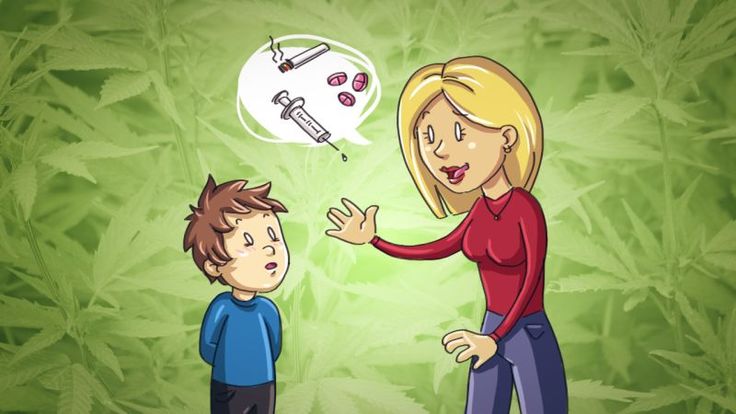
Discussing drugs with children is a crucial responsibility for parents and caregivers. This conversation can significantly impact a child’s future decisions and attitudes towards substance use. Here’s a comprehensive guide on how to approach this sensitive topic effectively.
Start Early:
It’s never too early to begin the conversation about drugs. As soon as children are old enough to understand basic concepts of health and safety, you can start introducing the idea that some substances can be harmful to our bodies.
Be Age-Appropriate:
Tailor your discussion to your child’s age and maturity level. For younger children, focus on general health and safety. As they grow older, you can provide more detailed information about specific drugs and their effects.
Create an Open Environment:
Establish an atmosphere where your children feel comfortable asking questions without fear of judgment or punishment. This open communication channel will encourage them to come to you with concerns or curiosities rather than seeking information from potentially unreliable sources.
Provide Accurate Information:
Arm yourself with factual, up-to-date information about drugs. Avoid scare tactics or exaggerations, as these can undermine your credibility. Instead, present honest, science-based facts about the effects and risks of drug use.
Discuss Peer Pressure:
Help your children develop strategies to resist peer pressure. Role-play scenarios where they might be offered drugs and practice refusal skills. Emphasize that it’s okay to say no and walk away from uncomfortable situations.
Address Media Influences:
Discuss how drugs are portrayed in media, including movies, TV shows, and music. Help your children develop critical thinking skills to analyze these portrayals and understand the realities behind them.
Lead by Example:
Your actions speak louder than words. Model responsible behavior regarding alcohol and prescription medications. If you use substances, be prepared to discuss your choices honestly and explain the differences between adult and underage use.
Discuss Consequences:
Talk about the legal, health, and social consequences of drug use. This includes both short-term effects and long-term impacts on education, career prospects, and personal relationships.
Emphasize Healthy Alternatives:
Promote healthy ways to cope with stress, anxiety, and peer pressure. Encourage involvement in sports, arts, or other activities that boost self-esteem and provide positive social interactions.
Keep the Conversation Ongoing:
Drug education shouldn’t be a one-time talk. Make it an ongoing dialogue that evolves as your children grow. Stay informed about current drug trends and be prepared to address new concerns as they arise.
Know When to Seek Help:
If you suspect your child is using drugs or is at high risk, don’t hesitate to seek professional help. Consult with school counselors, healthcare providers, or addiction specialists for guidance and support.
Remember, the goal is not just to prevent drug use, but to equip your children with the knowledge and skills to make informed, healthy decisions throughout their lives. By maintaining open, honest communication and providing consistent support, you can significantly influence your children’s attitudes towards drugs and substance use.


