

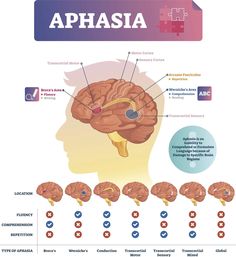
Aphasia is a language disorder that affects a person’s ability to communicate effectively. It is typically caused by damage to the brain’s language centers, often resulting from stroke, traumatic brain injury, or neurodegenerative diseases.
Key aspects of aphasia include:
- Types: There are several types of aphasia, including Broca’s aphasia (difficulty speaking), Wernicke’s aphasia (difficulty understanding), and global aphasia (severe impairment in all language functions).
- Symptoms: These may include difficulty speaking, understanding speech, reading, or writing, depending on the type and severity of the condition.
- Preservation of intelligence: Aphasia affects language skills but does not impact overall intelligence or cognitive abilities.
- Treatment: Speech and language therapy is the primary treatment, focusing on improving communication skills and developing alternative communication strategies.
- Impact on daily life: Aphasia can significantly affect a person’s social interactions, work, and overall quality of life.
Understanding aphasia is crucial for healthcare professionals, educators, and the general public to provide appropriate support and accommodations for individuals with this condition. Research in this field continues to explore new treatment approaches and technologies to improve outcomes for those affected by aphasia.


