

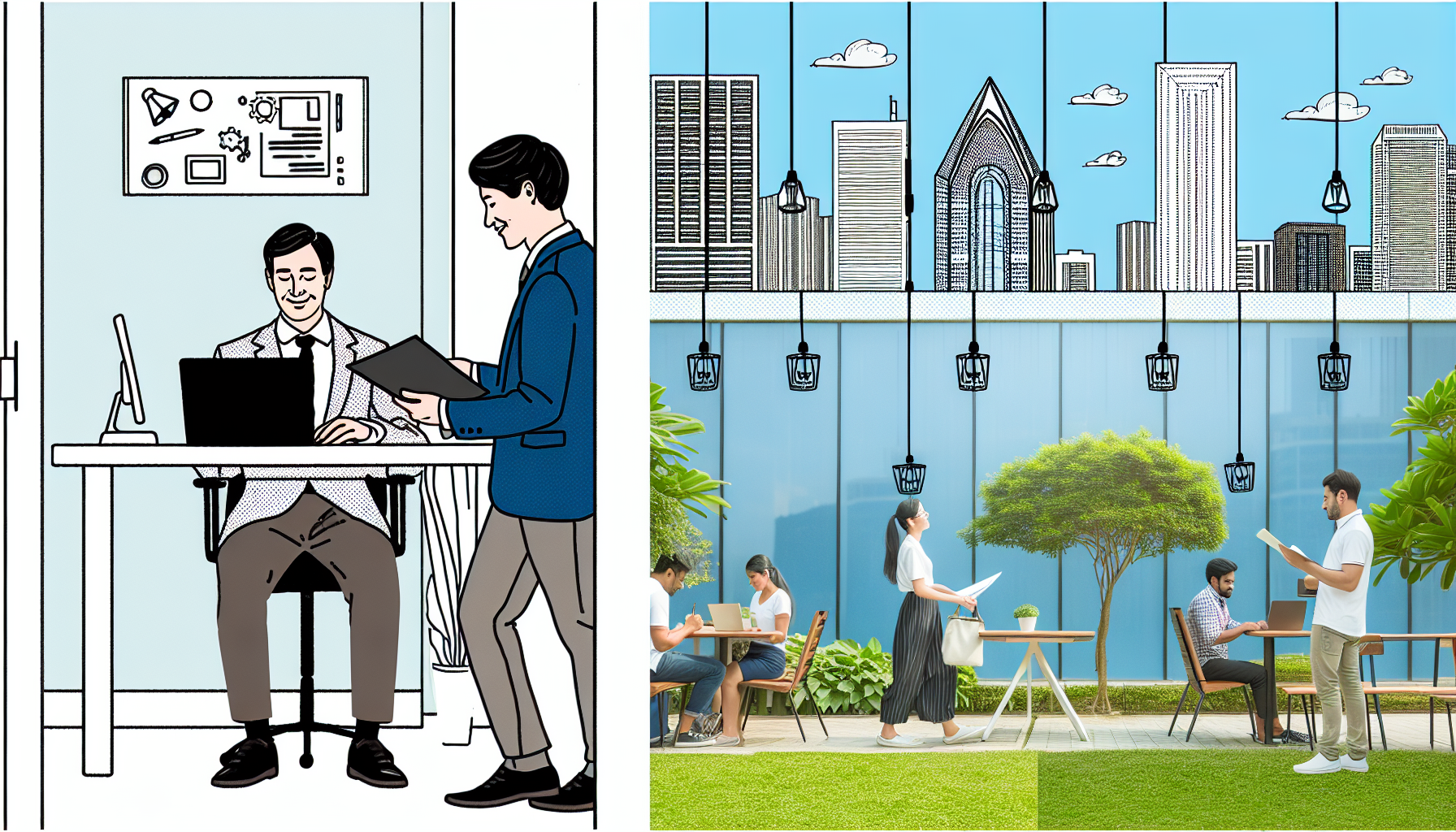
The evolving landscape of the workplace is a topic of significant discussion, especially as Generation Z makes its mark on the job market. As this cohort of young professionals enters the workforce, their preferences and expectations are reshaping how companies design and utilize office spaces. According to renowned design expert Pakvasa, traditional office environments are increasingly falling short in meeting the needs of Gen Z employees.
The Shift in Workplace Dynamics
Pakvasa highlights a crucial change in what modern workers, particularly those belonging to Gen Z, desire from their work environments. Gone are the days when cubicles and formal meeting rooms reigned supreme. Instead, there is a growing demand for workplaces that prioritize flexibility and thoughtful design to enhance the overall employee experience.
Experience-Driven Environments
One of the most significant shifts noted in the transition from traditional offices is the focus on experience-driven environments. Gen Z professionals are not just looking for a place to clock in and out. They seek spaces that encourage interaction, foster collaboration, and enhance productivity. This shift towards a more dynamic work culture emphasizes the importance of creating environments that not only accommodate work tasks but also promote a sense of belonging and community among employees.
- Encouragement of Interaction: Open spaces and collaborative areas facilitate teamwork and brainstorming, essential for creative industries.
- Focus on Well-Being: Incorporating elements that promote mental health, such as quiet zones and relaxation areas, is crucial.
- Inclusivity and Respect: Workspaces that make employees feel heard and valued contribute to a positive workplace culture.
The Importance of Natural Elements
Pakvasa also emphasizes the role of natural light and proper ventilation in modern office design. These elements are not merely aesthetic; they significantly impact employee performance and well-being. Studies show that access to natural light can boost mood and energy levels, while well-ventilated spaces can reduce stress and enhance focus.
Incorporating greenery and organic materials into office design can further promote a healthier atmosphere. This biophilic approach not only makes the workspace visually appealing but also helps to create a calming environment conducive to productivity.
Gen Z’s Expectations for Healthier Workspaces
As awareness of mental health and overall well-being becomes more prevalent, Gen Z is particularly vocal about their desire for healthier workspaces. They expect employers to prioritize not just their physical health but also their emotional well-being. This demand is driving companies to rethink their office designs and policies.
- Wellness Programs: Many organizations are now implementing wellness initiatives that promote physical fitness, mental health, and work-life balance.
- Flexible Work Arrangements: Options for remote work or hybrid models are increasingly important to accommodate diverse lifestyles.
- Inclusive Design: Spaces that cater to various needs—such as quiet rooms for focused work or collaborative areas for team projects—are becoming essential.
Building a Culture of Inclusion
Creating a culture where employees feel included and respected is paramount for attracting and retaining Gen Z talent. This generation values diversity and inclusivity, and they are more likely to thrive in environments where they can express their individuality. Organizations are recognizing that fostering a sense of belonging is critical not just for employee satisfaction but also for driving innovation and creativity.
Employers are encouraged to involve their employees in the design process, actively seeking feedback on workspace layouts and features. By doing so, companies can create spaces that reflect the values and preferences of their workforce, leading to higher engagement and productivity levels.
The Future of Office Design
The ongoing evolution of workspaces is a response to the changing needs of a new generation. As traditional offices become less appealing to Gen Z, businesses must adapt to stay relevant. The focus will increasingly be on creating environments that enhance employee experiences through thoughtful design, flexibility, and a commitment to health and well-being.
In conclusion, the insights shared by Pakvasa underline a significant transformation in workplace design. Companies that embrace this shift will not only cater to the preferences of Gen Z but will also cultivate a more productive and harmonious work environment. As we look to the future, the challenge lies in balancing the practical needs of the business with the evolving expectations of a new generation of workers.


