

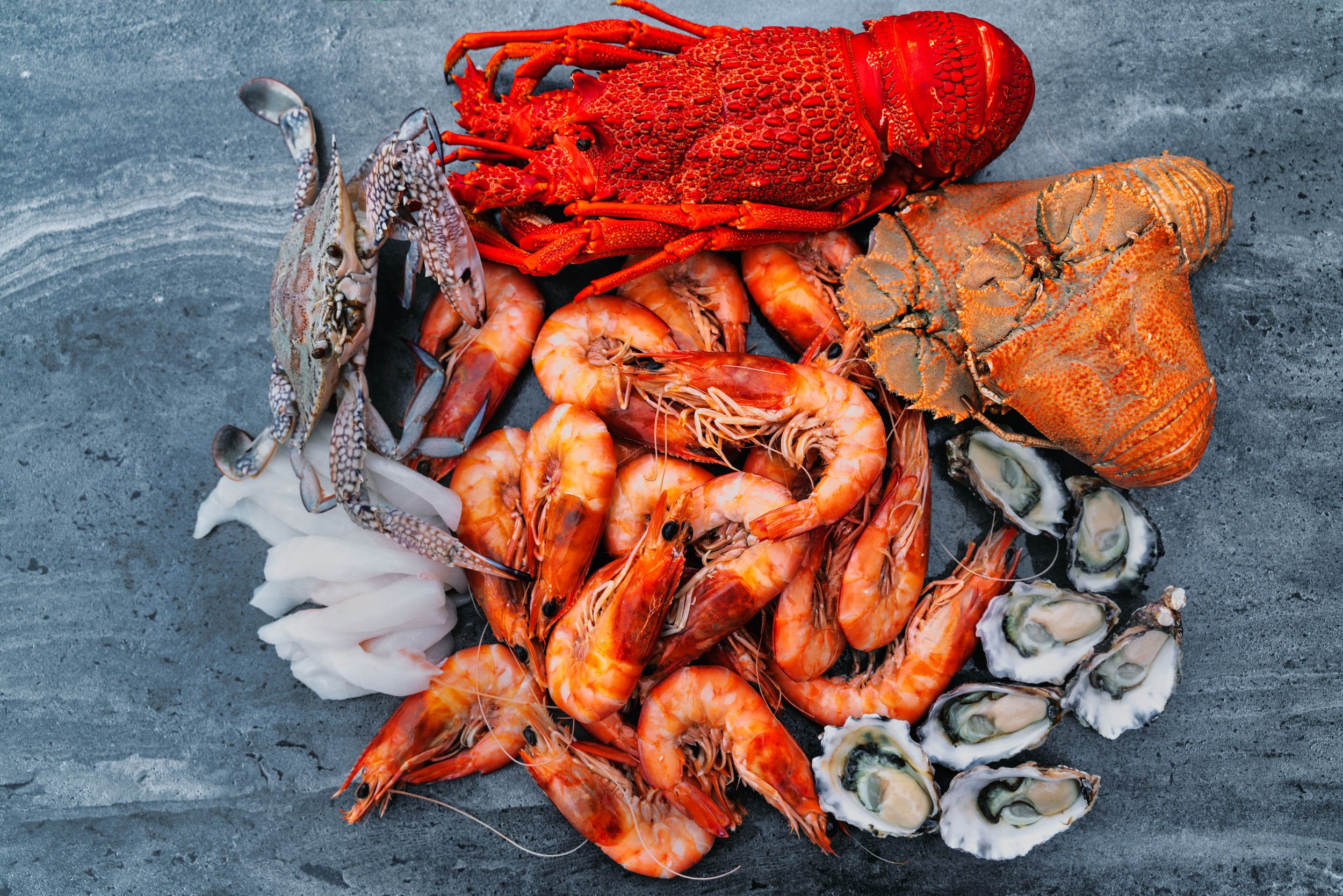
Mercury contamination in seafood is a growing concern for consumers worldwide. While fish and shellfish are excellent sources of protein, omega-3 fatty acids, and other essential nutrients, some species contain higher levels of mercury that can be harmful to human health, especially for pregnant women, nursing mothers, and young children.
The primary source of mercury in seafood is industrial pollution, which releases mercury into the air and water. This mercury is then converted into methylmercury by bacteria in aquatic environments and accumulates in fish as they consume smaller organisms.
To help consumers make informed choices, here’s a brief overview of mercury levels in common seafood:
Low mercury options:
- Salmon (wild and farmed)
- Sardines
- Tilapia
- Shrimp
- Canned light tuna
- Catfish
- Cod
Moderate mercury options:
- Canned albacore tuna
- Halibut
- Mahi-mahi
- Snapper
High mercury options (consume sparingly):
- Swordfish
- Shark
- King mackerel
- Tilefish
- Marlin
When shopping for seafood, prioritize low-mercury options and limit consumption of high-mercury fish. The FDA and EPA recommend that adults consume 2-3 servings of low-mercury fish per week, while pregnant women and children should follow more specific guidelines.
By staying informed and making conscious choices, you can enjoy the health benefits of seafood while minimizing your exposure to mercury.


