

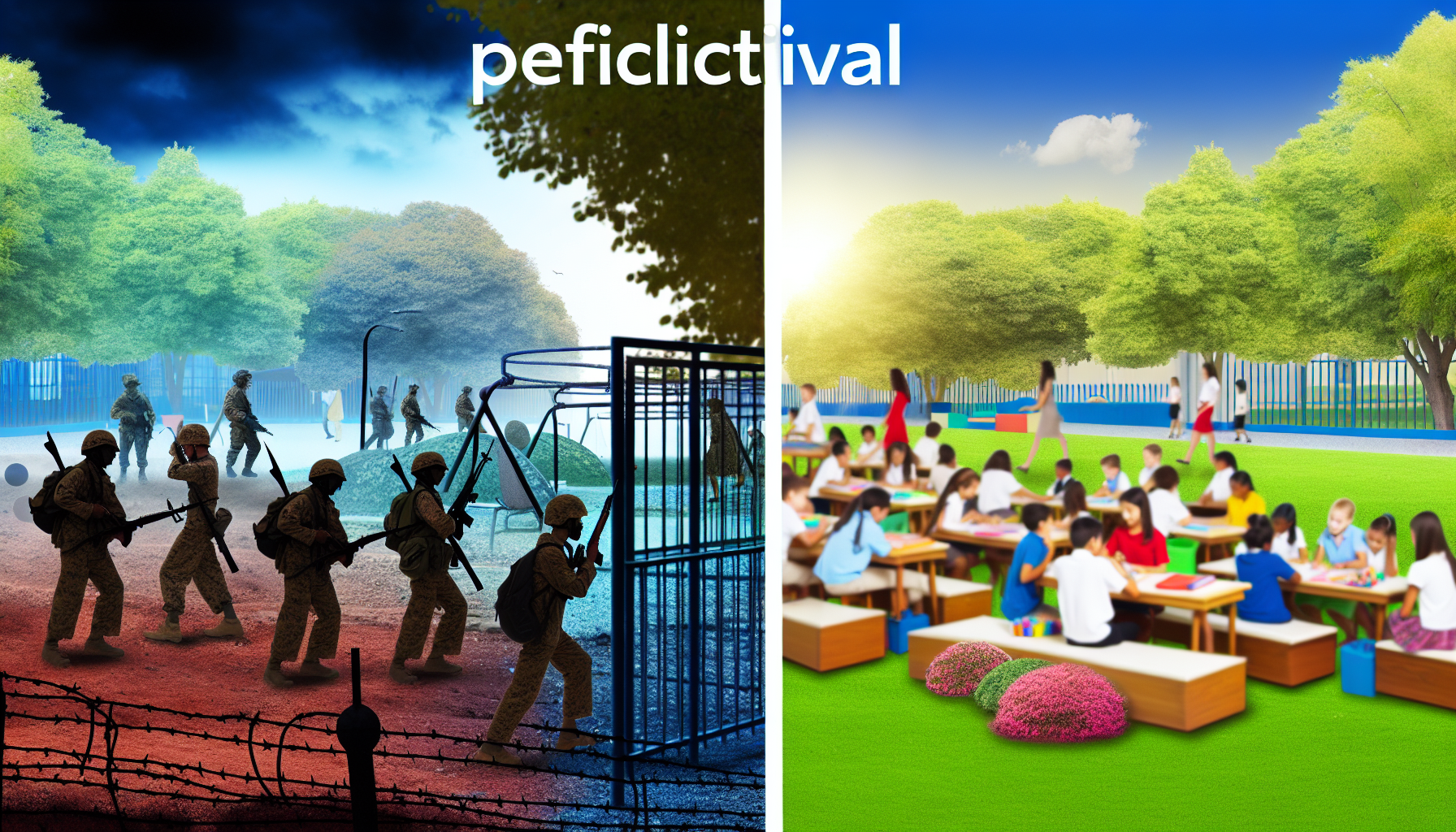
On March 1, 2026, an unimaginable tragedy unfolded in Minab, Iran, when a girls’ elementary school was caught in the crossfire of military operations amid the ongoing conflict. This devastating attack claimed the lives of over 150 young schoolgirls, a stark reminder of how educational institutions can become unintended battlegrounds in geopolitical struggles. The heartbreaking loss not only devastates families and communities but also raises urgent questions about the safety of children in conflict zones globally.
The Ongoing Crisis: Schools Under Siege
The incident in Minab is not an isolated case; it is part of a troubling trend where schools across the globe are increasingly becoming targets in armed conflicts. The Iran-US-Israel war has intensified hostilities, with educational facilities often caught in the crossfire. This trend highlights a disturbing reality: schools, which should be safe havens for learning and growth, are now perilously close to becoming battlegrounds. (teaching kids problem solving)
The Humanitarian Impact of Conflict on Education
The ramifications of such violence extend far beyond immediate casualties. The loss of over 150 schoolgirls in Minab represents not just a tragic statistic but a profound humanitarian crisis. Schools are vital for nurturing future generations, and when they are threatened, the consequences can ripple through society.
- Psychological Effects: Survivors of such attacks often suffer from long-term psychological trauma, impacting their ability to learn and thrive.
- Disruption of Education: Attacks on schools lead to prolonged closures, disrupting the education of thousands of children.
- Increased Dropout Rates: Fear and instability can force families to withdraw children from school, increasing dropout rates and limiting future opportunities.
A Call for Global Action
The tragic events in Minab underscore the urgent need for a concerted global response to protect educational institutions in conflict zones. It is imperative that the international community takes decisive action to safeguard schools and ensure that they remain places of learning rather than sites of violence.
Establishing Safe Zones
One potential solution is the establishment of designated safe zones around schools in conflict areas. These zones would serve as protective buffers, monitored by international observers to prevent military actions near educational institutions. Such measures could significantly decrease the risk of attacks and provide a sense of security for students and educators alike.
Legislation and Enforcement
Moreover, there is a pressing need for stronger international laws that specifically protect schools during armed conflicts. The Geneva Conventions already outline protections for civilians and non-combatants, but enforcement remains a significant challenge. Nations must be held accountable for violations, and there should be international mechanisms in place to report and respond to attacks on educational facilities.
Community Engagement and Awareness
In addition to legislative measures, communities must be engaged in the conversation about the sanctity of education. Awareness campaigns can help highlight the importance of protecting schools and the devastating consequences when they are attacked. Engaging local leaders and community organizations can foster a culture of respect for educational institutions, promoting the idea that schools are places for learning, not conflict. For more on this, see peer mediation initiatives in schools.
The Role of Technology and Innovation
Technology also has a vital role to play in protecting schools in conflict zones. The use of surveillance systems, early-warning systems, and data analytics can help identify potential threats and enhance the safety of educational institutions. Innovations in communication technology can facilitate rapid reporting of incidents, enabling quicker responses from authorities.
International Collaboration
Lastly, addressing the crisis requires collaboration among governments, NGOs, and international organizations. Initiatives like the Global Coalition to Protect Education from Attack aim to bring together stakeholders to share resources, knowledge, and strategies for safeguarding education. By working together, the global community can create comprehensive policies that address the complexities of protecting schools in conflict zones.
Conclusion: A Unified Stand for Education
The tragedy in Minab is a call to action for all of us. Schools should never be battlegrounds; they should be sanctuaries for learning, growth, and hope. As the world grapples with ongoing conflicts, it is crucial to prioritize the protection of educational institutions. By establishing safe zones, enforcing laws, engaging communities, leveraging technology, and fostering international collaboration, we can work towards ensuring that no child has to fear for their safety while pursuing an education. The future of our children—and indeed, our societies—depends on it.


