

Introduction
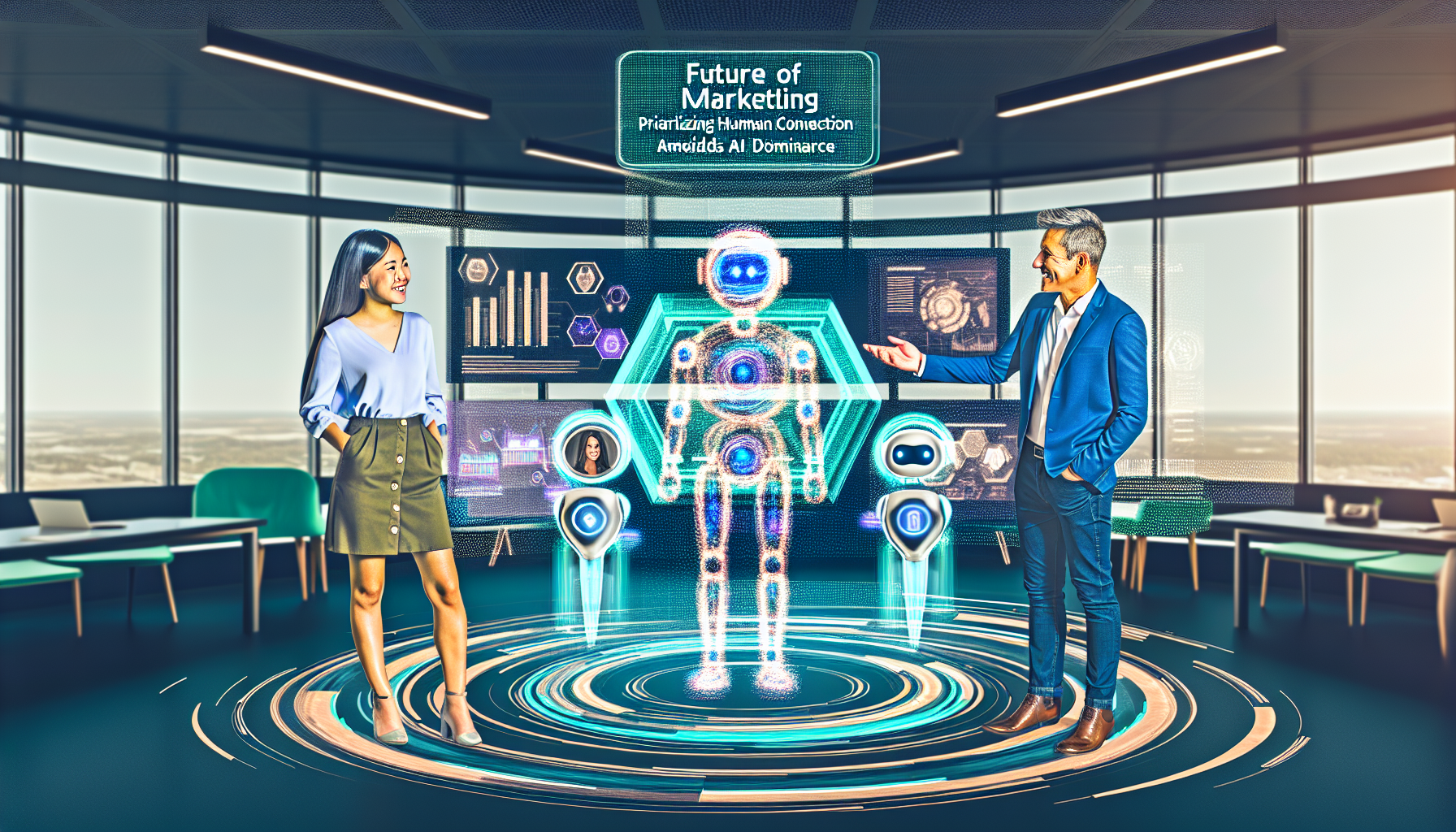
As we look towards 2026, the marketing landscape is poised for significant transformation. A recent report by SAMY, which draws insights from over 100 Chief Marketing Officers (CMOs) across 22 countries, highlights a crucial trend: despite the rising integration of artificial intelligence (AI) into marketing strategies, genuine human connection will remain the ultimate differentiator. This article delves into the key findings of the report, exploring the role of creativity, storytelling, influencer marketing, and emerging platforms that will shape the future of marketing.
The Rise of AI and Its Implications
AI has already begun to permeate various aspects of marketing, with over 50% of marketers expected to utilize AI tools for the first time in the coming years. This adoption is likely to streamline processes, enhance data analysis, and facilitate personalized marketing initiatives. However, the report emphasizes that while AI can optimize efficiency, it cannot replicate the authenticity and emotional resonance that genuine human connection offers. Related reading: the dark side of AI marketing.
Creativity as the Cornerstone of Marketing Investments
In an era where technological advancements are constantly evolving, the report underscores that creativity is still paramount. A staggering 50% of marketing budgets are allocated to creative endeavors, which encompass everything from innovative ad campaigns to engaging content creation. This investment in creativity is not merely a trend; it is a recognition that unique, imaginative marketing strategies capture consumer attention far more effectively than generic approaches.
The Power of Storytelling
Storytelling continues to be a central pillar in marketing strategies as brands strive to forge deeper connections with their audiences. The ability to tell compelling stories that resonate with consumers on an emotional level is what sets successful brands apart. In 2026, marketers will increasingly rely on storytelling to convey brand values, foster loyalty, and create memorable experiences that encourage customer engagement.
Influencer Marketing: A Growing Force
The report reveals a significant trend in influencer marketing, predicting that the industry will grow to an impressive $250 billion by 2027. With nearly 48% of marketers planning to increase their budgets for influencer collaborations, it is evident that brands are recognizing the value of leveraging influencers to reach target audiences authentically.
Micro-Influencers and Engagement
Interestingly, about 45% of marketers are turning to micro-influencers as a strategic approach to enhance engagement and authenticity. Micro-influencers, defined as individuals with smaller but highly engaged followings, offer brands the opportunity to connect with niche audiences in a more personal manner. These influencers often foster trust and credibility, making them valuable partners for marketers seeking to cultivate genuine relationships with consumers.
Emerging Platforms for Marketing Success
As consumer behavior evolves, so too do the platforms that marketers utilize to reach their audiences. The SAMY report highlights the increasing traction of platforms like YouTube Shorts and Pinterest, which are becoming essential tools for driving purchases. These platforms are particularly effective in capturing the attention of younger demographics, who are seeking more visual and engaging content.
YouTube Shorts: A New Frontier
YouTube Shorts has emerged as a dynamic platform that allows brands to create short, engaging video content. This format not only captures the fleeting attention of users but also encourages creativity in storytelling. Brands are capitalizing on this trend by producing bite-sized videos that convey their messages quickly and effectively.
Pinterest: The Visual Search Engine
Pinterest, often referred to as a visual search engine, is gaining momentum as a platform for driving purchases. With a focus on inspiration and discovery, Pinterest allows users to explore products and ideas visually. Marketers are increasingly recognizing the potential of Pinterest to influence consumer decisions, particularly in categories such as fashion, home decor, and lifestyle. This builds on Harvard's Cold Call Podcast.
Conclusion: Embracing the Future of Marketing
As we approach 2026, the marketing landscape will be characterized by a delicate balance between technological innovation and the enduring importance of human connection. While AI will undoubtedly play a significant role in shaping marketing strategies, the core principle of forging genuine relationships with consumers will remain invaluable. By investing in creativity, storytelling, and influencer partnerships, brands can navigate this evolving terrain and continue to resonate with their audiences.
Ultimately, the insights from the SAMY report serve as a clarion call for marketers to prioritize authenticity and emotional engagement in their strategies. As the industry moves forward, those who embrace genuine human connections will likely find themselves at the forefront of marketing success.


