

Introduction
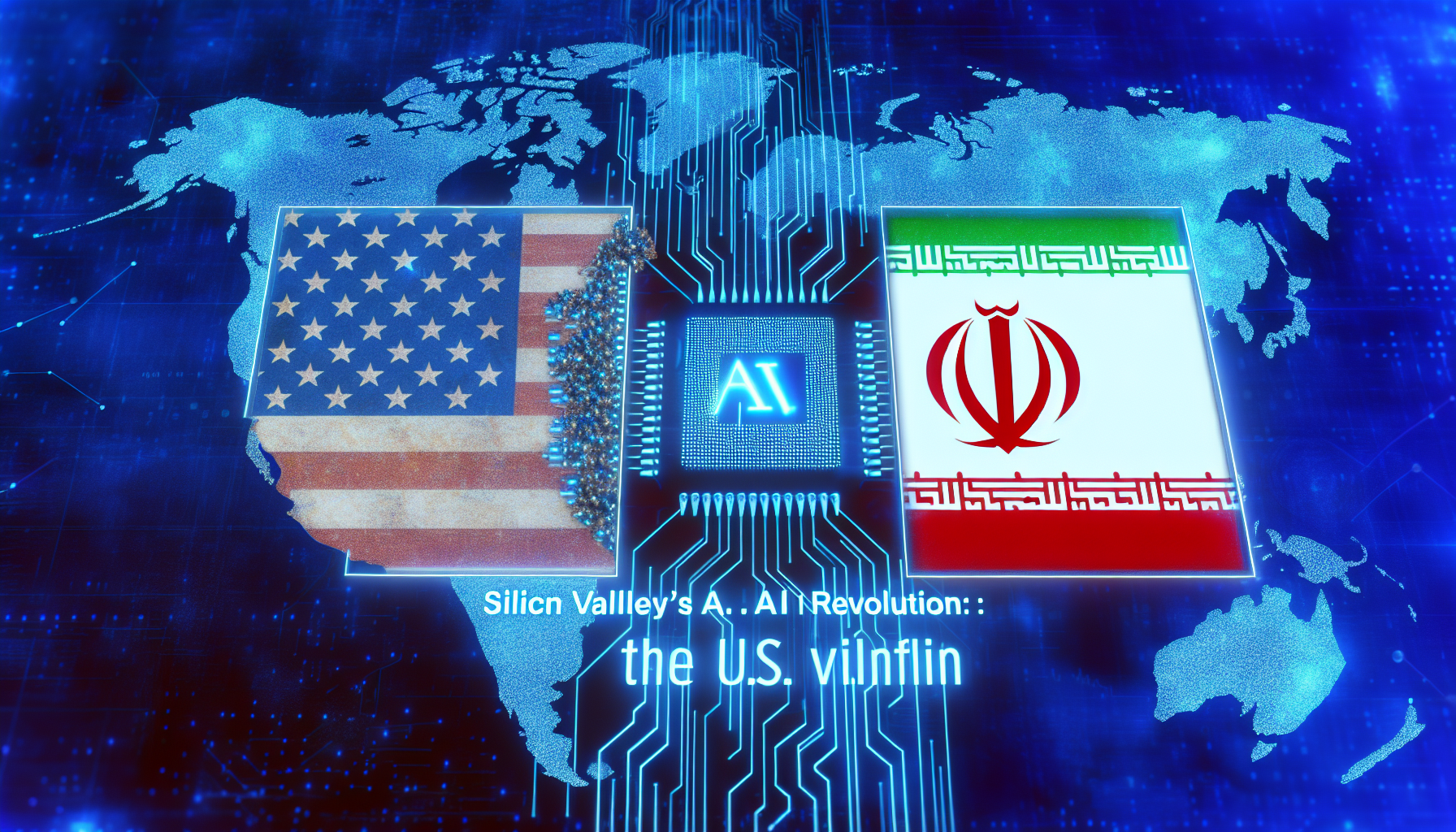
In a striking demonstration of the intersection between technology and warfare, the United States and Israel launched Operation Epic Fury on February 28, 2026. In the first 24 hours alone, this unprecedented military operation targeted 1,000 sites across Iran, marking a significant escalation in hostilities in the region. As the operation unfolded, it became increasingly clear that the advanced artificial intelligence (AI) systems developed in Silicon Valley played a pivotal role in shaping modern military strategies.
The Rise of AI in Military Operations
The integration of AI technologies into military applications has transformed how nations conduct warfare. The capabilities of these systems, initially developed for commercial use, have been repurposed for strategic military advantages. Companies like Google, Microsoft, and Palantir have pioneered algorithms that enable real-time data analysis, surveillance, and target identification—all crucial components in executing military operations effectively.
Operation Epic Fury: A Case Study
During Operation Epic Fury, the use of AI technology was instrumental in coordinating strikes against Iranian targets. The operation was marked by:
- Precision Targeting: AI systems provided detailed analysis of key military and infrastructure assets in Iran, allowing for precise targeting that minimized collateral damage.
- Real-Time Intelligence: Advanced algorithms processed vast amounts of data from various sources, enabling military planners to adapt their strategies on-the-fly.
- Automation: The operation utilized drones and autonomous systems powered by AI, reducing the risk to human soldiers and increasing operational efficiency.
As the operation continued through mid-March, the role of AI became even more pronounced, demonstrating a shift in how military operations are conceived and executed in the 21st century.
The Silicon Valley Connection
Silicon Valley’s influence on military operations is not new, but its expansion into AI-driven warfare raises critical ethical and strategic questions. Major tech companies have been increasingly involved in defense contracts, often blurring the lines between civilian innovation and military application.
Key Players in AI Development
Several prominent companies have emerged as key players in developing AI technologies for military use:
- Google: Known for its search engine and cloud computing services, Google has also made significant strides in AI research. Its involvement in the Project Maven initiative, which aimed to enhance drone surveillance capabilities using machine learning, highlighted the tech giant’s dual-use technology potential.
- Microsoft: With its Azure cloud platform, Microsoft has entered the defense sector by providing AI tools for military applications, including logistics and battlefield communication.
- Palantir: This data analytics firm specializes in integrating large datasets for intelligence purposes, making it a valuable partner for military operations that require rapid data processing and analysis.
These companies, along with others, have increasingly navigated partnerships with the military, directly impacting the nature of warfare and national security.
The Ethical Dilemma
The deployment of AI in military operations introduces profound ethical concerns. Critics argue that the use of AI in warfare could lead to:
- Dehumanization of Conflict: As machines take on roles traditionally held by humans, there is a risk of diminishing the moral considerations that accompany warfare.
- Accountability Issues: When AI systems make decisions about life and death, the question arises: who is responsible for those decisions?
- Escalation of Violence: The ease of deploying AI-driven military solutions might lead to more frequent and aggressive military engagements.
As the U.S. and Israel’s actions against Iran demonstrate, the integration of AI into military strategies is not merely a technological advancement; it is a fundamental shift in how war is waged.
The Future of AI in Warfare
Looking ahead, the role of AI in military contexts is likely to expand further. Nations around the world are investing heavily in AI research to gain strategic advantages. As countries continue to develop and deploy these technologies, the potential for conflict—especially in volatile regions like the Middle East—remains high.
Conclusion
The events of Operation Epic Fury underscore the significant and growing role of Silicon Valley’s AI innovations in contemporary warfare. As technology continues to evolve, the implications for international relations and military ethics will require careful scrutiny and dialogue. Balancing innovation with responsibility will be crucial in navigating the future landscape of warfare, particularly as nations confront the realities of AI-driven conflict.


