

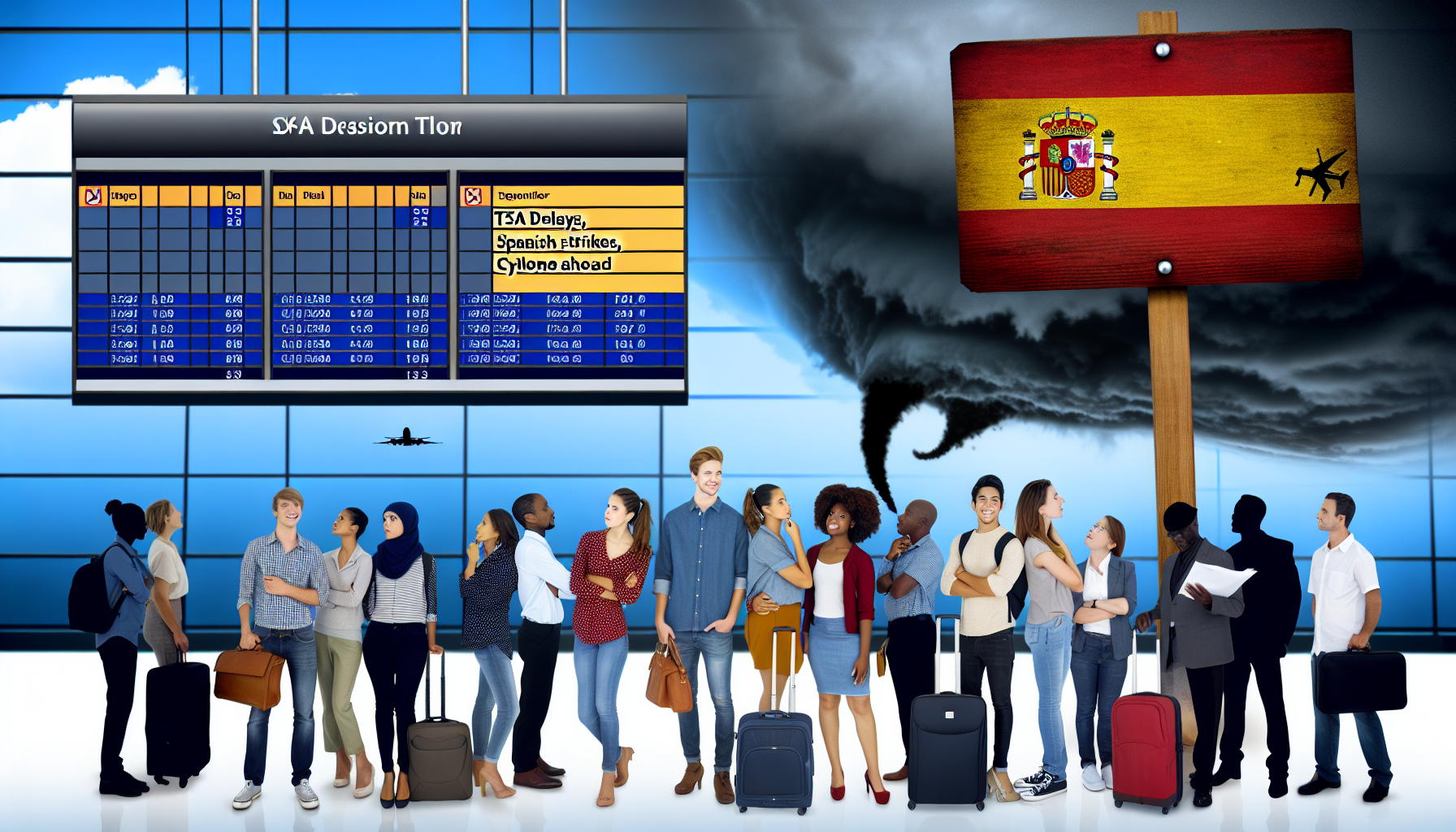
As travelers gear up for the busy spring season, several critical alerts may impact their plans. From TSA gridlock in the United States to ongoing strikes in Spain and cyclone warnings in Australia, understanding these disruptions is essential for a smooth travel experience. Here’s a detailed look at these important travel alerts.
TSA Gridlock: Expect Delays at U.S. Airports
American travelers are facing significant disruptions due to staffing issues at the Transportation Security Administration (TSA). The agency is currently experiencing a gridlock that has resulted in long waits at security checkpoints across the country. As spring break approaches, airports are bracing for increased passenger volumes, which could exacerbate the situation.
Emergency Funding and Staffing Solutions
To address these challenges, emergency funding is expected to be allocated, with paychecks for TSA employees projected to be normalized by March 30, 2026. However, travelers should be prepared for potential delays even after the funding is in place, as it may take weeks for operations to return to normal. During this peak travel season, it is crucial for passengers to arrive at airports early, allowing extra time to navigate the extended wait times.
Strikes in Spain: Ground-Handling Workers Unite
Meanwhile, travelers planning to visit Spain should be aware of ongoing strikes involving ground-handling workers at major airports, including Madrid, Barcelona, Málaga, and Palma de Mallorca. These strikes have entered a new phase in 2026, with U.S. visitors facing the risk of significant delays.
Impact on Travelers
- Increased wait times for check-in and baggage handling.
- Possible flight cancellations or rescheduling, particularly for international flights.
- Limited availability of services and amenities at airport facilities.
Travelers are advised to stay informed about their flight status and to remain flexible with their itineraries. It is also recommended to consider booking travel insurance that covers disruptions due to labor strikes.
Cyclone Warnings in Australia: Prepare for Severe Weather
In Australia, a tropical cyclone warning has been issued for North Queensland, affecting areas from Lockhart River to Cape Tribulation. This weather event poses a threat to travel plans in the region, particularly for those looking to explore the Great Barrier Reef and the stunning outback.
Travel Recommendations
- Monitor local weather forecasts and official warnings.
- Consider altering travel plans to avoid affected regions if possible.
- Ensure that your travel insurance covers weather-related disruptions.
Experts suggest maintaining flexible itineraries and being prepared to adapt plans based on weather developments. Safety should always be the top priority, especially when traveling to areas prone to severe weather conditions.
Additional Travel Alerts to Consider
As travelers continue to navigate these challenges, it is important to stay informed about any additional alerts that may arise. Here are a few more key issues to keep in mind:
- COVID-19 Regulations: Depending on your destination, be aware of any ongoing travel restrictions or requirements related to COVID-19, including testing and vaccination mandates.
- Passport Delays: Many travelers are experiencing delays in passport processing, so it is recommended to apply well in advance of any planned international trips.
- Natural Disasters: In addition to the cyclone warning in Australia, keep an eye on any natural disaster alerts in other regions you may be visiting.
By staying informed and prepared, travelers can mitigate the impact of these disruptions and enjoy their journeys with greater peace of mind.
Final Thoughts
As travel continues to rebound, being aware of current alerts and disruptions is essential for a successful trip. Whether facing TSA delays, labor strikes in Spain, or cyclone warnings in Australia, proactive planning and flexibility can make all the difference. Travelers are encouraged to stay connected with official sources for updates and to prioritize safety and preparedness in their travel plans.


