

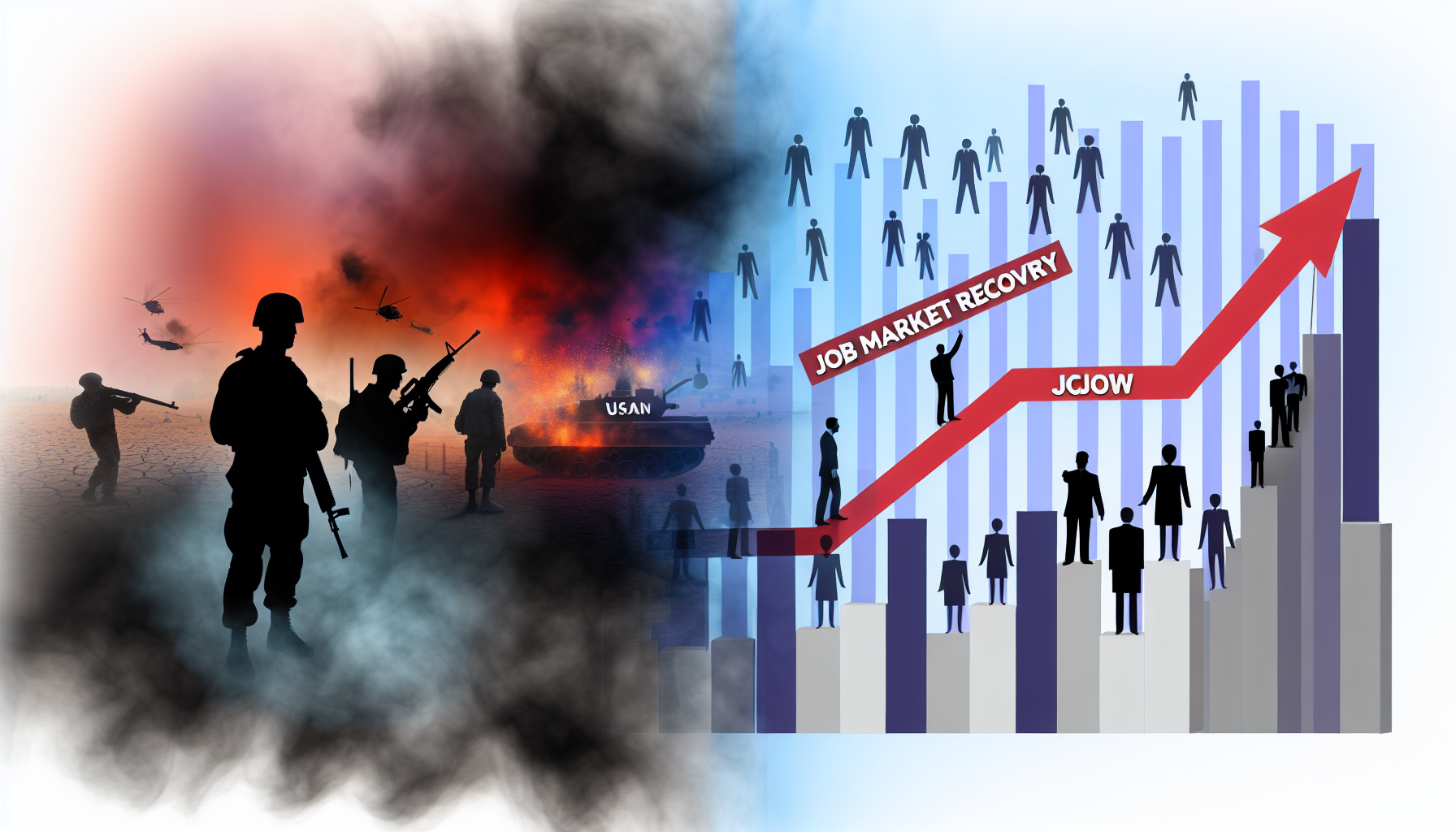
The U.S. job market has faced significant challenges in recent years, characterized by a lackluster growth rate and persistent uncertainty. In 2023, signs of potential stabilization began to emerge, indicating that the labor market was slowly but surely finding its footing. However, new geopolitical developments, particularly the ongoing war in Iran, threaten to derail this fragile progress and further complicate the economic recovery.
Current State of the U.S. Job Market
Despite a series of ups and downs, the job market in the United States has been showing some signs of resilience. In 2022, growth was slow, with employers adding only an average of 200,000 jobs per month, a significant decline from previous years. This stagnation left many economists and policymakers concerned about the health of the labor market as they looked toward 2023.
By early 2023, however, reports indicated a slight uptick in job growth, suggesting that the economy might be on the verge of a rebound. Analysts pointed to several factors contributing to this optimism, including increased consumer spending and a gradual recovery in sectors hit hardest by the COVID-19 pandemic.
The Impact of International Conflicts on Domestic Employment
As the war in Iran escalates, experts warn that the implications could reverberate through the American economy, particularly the job market. International conflicts often lead to a ripple effect that can disrupt trade, increase energy prices, and alter consumer confidence—all of which can have dire consequences for domestic labor trends.
Trade Disruptions and Economic Consequences
One of the most immediate concerns surrounding the Iran conflict is the potential for trade disruptions. The U.S. maintains intricate trade relationships with various countries, and instability in the Middle East can interfere with the supply chains that support American businesses.
- Increased Costs: If the war leads to higher oil prices, businesses may face increased operational costs, which could prompt them to reduce hiring or even lay off employees.
- Supply Chain Interruptions: Many industries rely on materials sourced from the region. Disruptions could lead to delays in production and fulfillment, resulting in lost revenue and a stalled job market.
Consumer Confidence and Spending
The uncertainty brought about by international conflicts can also dampen consumer confidence. When individuals feel insecure about the global economic landscape, they are less likely to make significant purchases, which can slow down economic growth.
A decline in consumer spending directly affects businesses, especially those in retail and hospitality, leading to potential job cuts. As a result, the very sectors that had begun to stabilize could once again be thrown into chaos.
Long-term Effects on Employment Trends
While it is difficult to predict the exact long-term implications of the Iran war on the U.S. job market, historical precedents suggest that prolonged conflicts can lead to sustained economic downturns. The aftermath of the Iraq War and the financial crisis of 2008 both serve as reminders of how external factors can profoundly impact domestic employment conditions.
Potential Job Losses and Sectoral Impacts
Some sectors may be more vulnerable to the effects of international conflicts than others. For instance:
- Manufacturing: If trade routes are disrupted, manufacturing jobs could be in jeopardy, especially in industries reliant on imported materials.
- Energy Sector: Fluctuations in oil prices can directly impact jobs in the energy sector, leading to layoffs or hiring freezes.
- Retail and Services: As mentioned earlier, decreased consumer spending can lead to job losses in retail and service-oriented businesses.
Strategies for Economic Resilience
In the face of potential job market disruptions due to geopolitical tensions, there are strategies that policymakers and businesses can consider to bolster resilience:
- Diversifying Supply Chains: Companies should look to diversify their supply chains to mitigate the risks associated with regional conflicts.
- Investment in Workforce Development: Investing in employee training and development can help workers transition to roles in different industries that may be less affected by international conflicts.
- Encouraging Consumer Confidence: Governments can play a role in restoring consumer confidence through economic stimulus packages and public reassurance about the stability of the job market.
Conclusion
As the situation in Iran continues to unfold, the U.S. job market finds itself at a precarious juncture. While the early signs of recovery were encouraging, the specter of international conflict looms large, threatening to stall progress and complicate the path to stability. It is crucial for policymakers, businesses, and individuals alike to remain vigilant and adaptable in the face of these challenges, ensuring that the economic recovery is not derailed by events thousands of miles away.


