

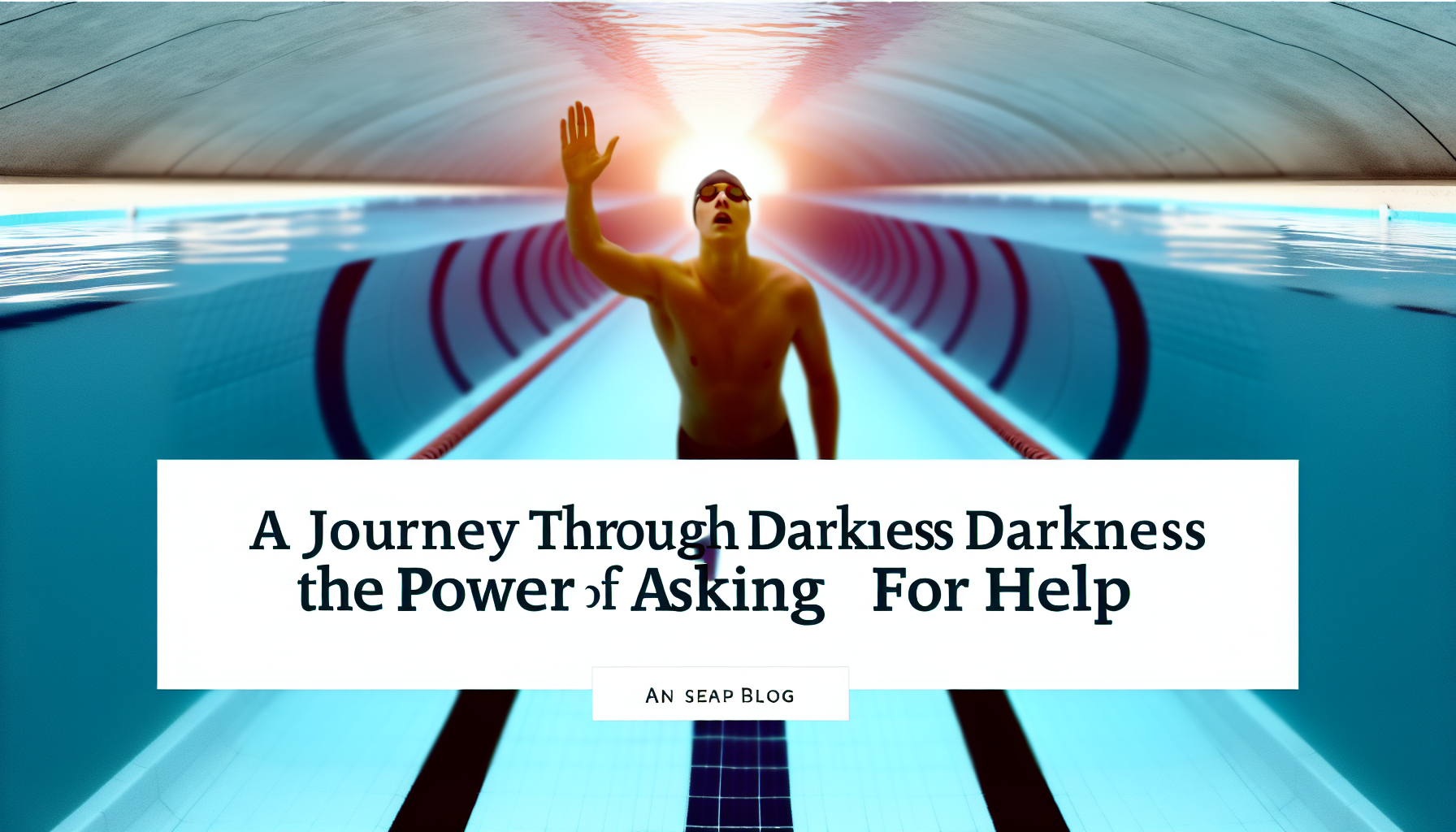
In a poignant revelation, Olympic swimming legend Michael Phelps opened up about his tumultuous battle with mental health, detailing a harrowing experience that brought him to the brink of despair. In an interview aired on April 17, 2026, with journalist Tom Llamas as part of the ‘Great Americans’ series, Phelps discussed his struggles with dark thoughts, emotional pain, and reliance on Ambien, a prescription sleep medication, which nearly led him to overdose.
A Champion’s Hidden Struggles
Phelps, renowned for his record-breaking 28 Olympic medals, has long been celebrated as one of the greatest athletes in history. However, beneath the accolades and fame lies a story of profound mental health challenges. In the candid interview, he shared that his journey toward mental wellness has not been easy, often overshadowed by feelings of hopelessness and despair.
The Dark Thoughts
Phelps described reaching a critical point in his life when the weight of his struggles became unbearable. “There were times when I didn’t want to live anymore,” he confessed, conveying the depth of his emotional turmoil. The swimmer’s honesty sheds light on a crucial aspect of mental health: even those who appear to have it all can face significant internal battles.
The Role of Ambien
During his darkest moments, Phelps turned to Ambien, a common sleep aid, in an attempt to find solace and escape from his overwhelming feelings. Unfortunately, this decision led him down a perilous path, culminating in a near overdose. “I remember being in a really dark place,” he recounted, indicating that the medication, rather than providing relief, intensified his struggles.
Confronting the Crisis
Phelps’s journey to recovery highlights the importance of recognizing when help is needed. In his darkest moments, he made the courageous decision to reach out for assistance. “I asked for help,” he stated emphatically, crediting this pivotal choice as the turning point in his life. This act of seeking support not only prevented a tragic outcome but also set him on a path toward healing.
The Importance of Asking for Help
The swimmer’s experience serves as a powerful reminder of the significance of mental health awareness and the necessity of breaking the stigma surrounding it. Many individuals suffer in silence, fearing judgment or misunderstanding. Phelps’s story encourages those facing similar struggles to take that crucial step of reaching out.
- Recognizing the Need for Help: Understanding that it’s okay to seek help is essential. Phelps’s narrative underscores that even the strongest individuals can experience vulnerabilities.
- Finding Support: Seeking help can take many forms, including talking to friends, family, or mental health professionals. Phelps’s journey emphasizes the critical role that support systems play in recovery.
- Breaking the Stigma: The more public figures like Phelps share their stories, the more society can work toward normalizing conversations about mental health.
Moving Forward
Since confronting his struggles, Phelps has become an advocate for mental health awareness. He has participated in various campaigns and initiatives aimed at helping others who may be grappling with similar issues. His willingness to speak openly about his experiences serves to inspire countless individuals who may feel alone in their struggles.
Conclusion
Michael Phelps’s journey is a testament to the strength that can emerge from vulnerability. Through his candid sharing of experiences with mental health, he not only highlights the realities many face but also offers hope and encouragement. His story teaches us that asking for help is not a sign of weakness, but rather an essential step toward healing. As we continue to navigate the complexities of mental health, let Phelps’s experiences guide us in fostering a culture of openness, support, and understanding.


