

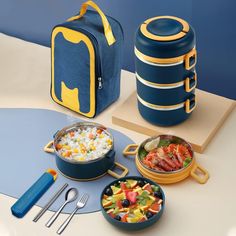
In this exciting science project, students will learn about heat transfer and insulation by creating their own insulating lunch container. This hands-on experiment demonstrates how different materials can affect temperature retention, a concept crucial in various real-world applications.
Objective:
To design and build an insulating container that keeps food cold for an extended period. This builds on easy science experiments.
Materials needed:
- Small plastic container with lid (like a clean yogurt container)
- Various insulating materials (e.g., foam, bubble wrap, aluminum foil, cotton balls, newspaper)
- Scissors
- Tape
- Thermometer
- Ice cubes
- Stopwatch or timer
Procedure:
- Introduction (10 minutes):
- Discuss the concept of insulation and its importance in everyday life.
- Explain how heat transfers through conduction, convection, and radiation.
- Hypothesis Formation (5 minutes):
- Students predict which materials will be the best insulators.
- Container Construction (20 minutes):
- Students choose their insulating materials.
- They wrap or line their plastic container with the chosen materials.
- Ensure the container can still close properly.
- Testing (30 minutes):
- Place 3-4 ice cubes in each container.
- Record the initial temperature.
- Close the containers and start the timer.
- Check and record the temperature every 5 minutes for 30 minutes.
- Data Analysis (15 minutes):
- Create a graph showing temperature change over time.
- Compare results with classmates who used different materials.
- Conclusion and Discussion (10 minutes):
- Identify which materials were most effective at insulating.
- Discuss why certain materials performed better than others.
- Relate findings to real-world applications (e.g., home insulation, thermos design).
Extension Activities:
- Test with hot water instead of ice to observe heat retention.
- Experiment with combining different insulating materials.
- Research industrial and commercial insulation techniques.
Key Science Concepts:
- Thermal energy transfer
- Properties of insulators
- Data collection and analysis
- Scientific method application
Real-World Connections:
- Food storage and transportation
- Building insulation
- Outdoor gear design (e.g., sleeping bags, coolers)
- Energy conservation in homes and vehicles
Safety Considerations:
- Use caution with scissors.
- Ensure all materials are clean and food-safe.
- Supervise younger students during the experiment.
This project not only teaches important scientific principles but also encourages critical thinking, problem-solving, and environmental awareness. Students learn how proper insulation can contribute to energy efficiency and food safety, skills that are valuable in understanding broader concepts of sustainability and engineering.


